THE GREEN CORRIDOR: WOODLAND & HEDGEROW CONNECTIVITY PROJECT
CORE INTERVENTIONS
Woodland buffering and extension
Woodland management and condition improvement
Wood-pasture and parkland restoration
Hedgerow restoration
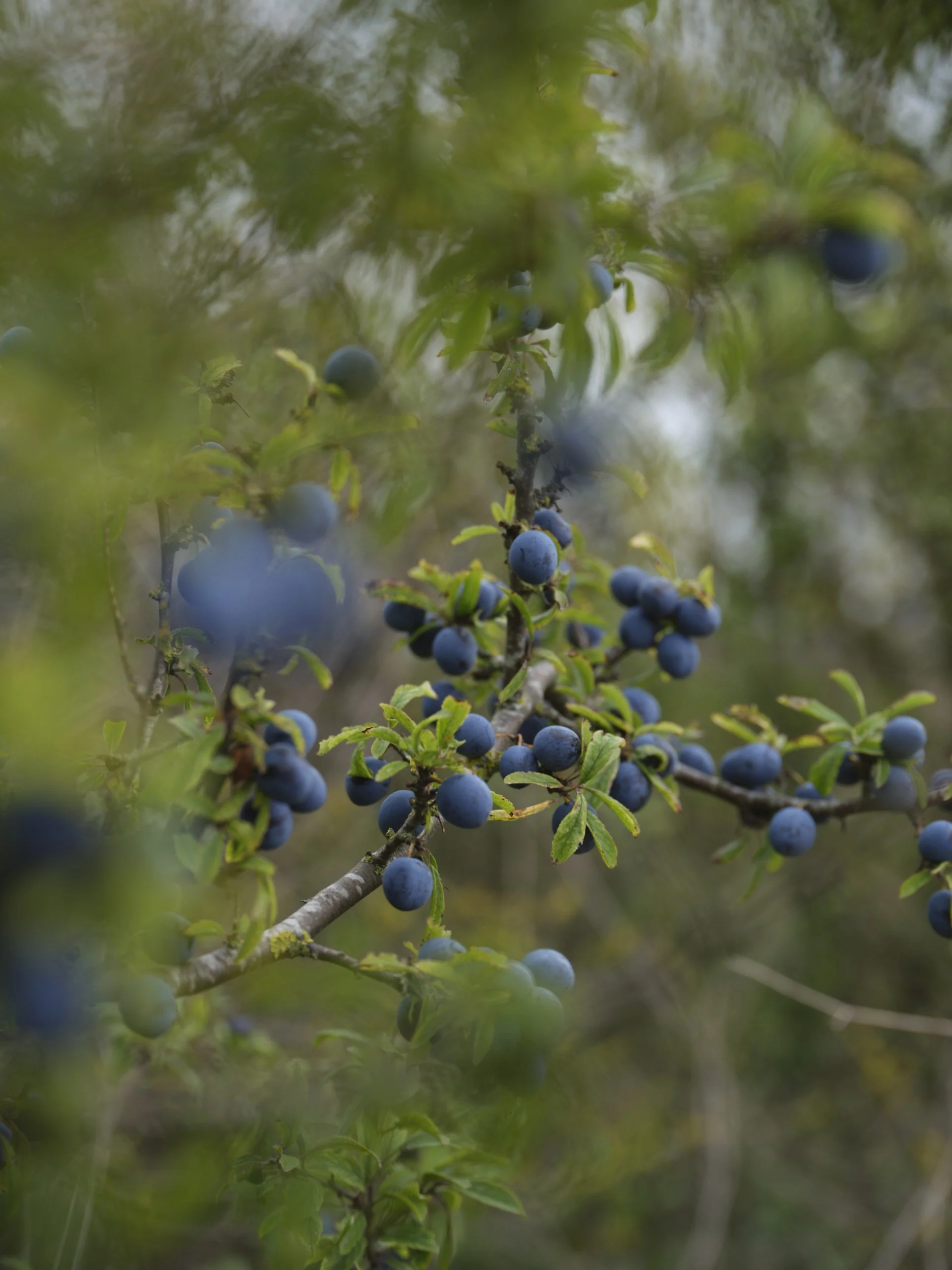
Scrub mosaic management
INVESTMENT OUTCOMES
Risk management: increased resilience to flooding and climate change
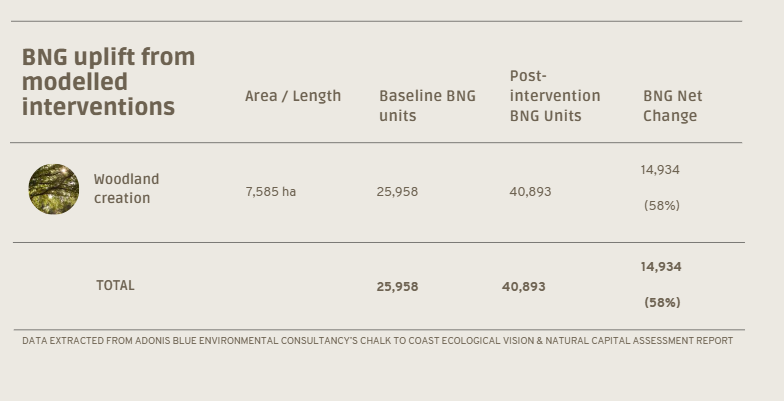
Carbon removal, or BNG units, per parcel
Protected species mitigation
Health treatment savings
Sustainable timber production
Environmental improvement for public benefit
PROJECT OVERVIEW
SCALE: 68,123 ha
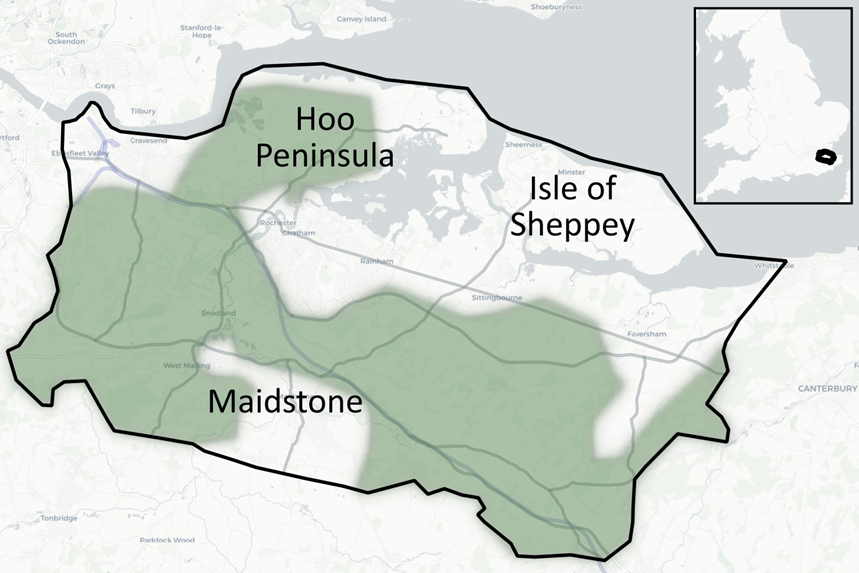
LOCATION: Woodland Connectivity Zones across the corridor
CORRIDOR ROLE: Connecting ancient woodland canopies across the corridor and re-establishing traditional management to deliver multiple benefits for people and nature, and to increase climate resilience.
ECOSYSTEMS SERVICES & BENEFITS
Climate resilience: carbon capture, flood storage and cooling
Air and water quality improvement
Supports pollinator populations
Recovery of threatened habitats and species
“”
NATURAL CAPITAL ESTIMATES
SPECIES & HABITAT HIGHLIGHTS
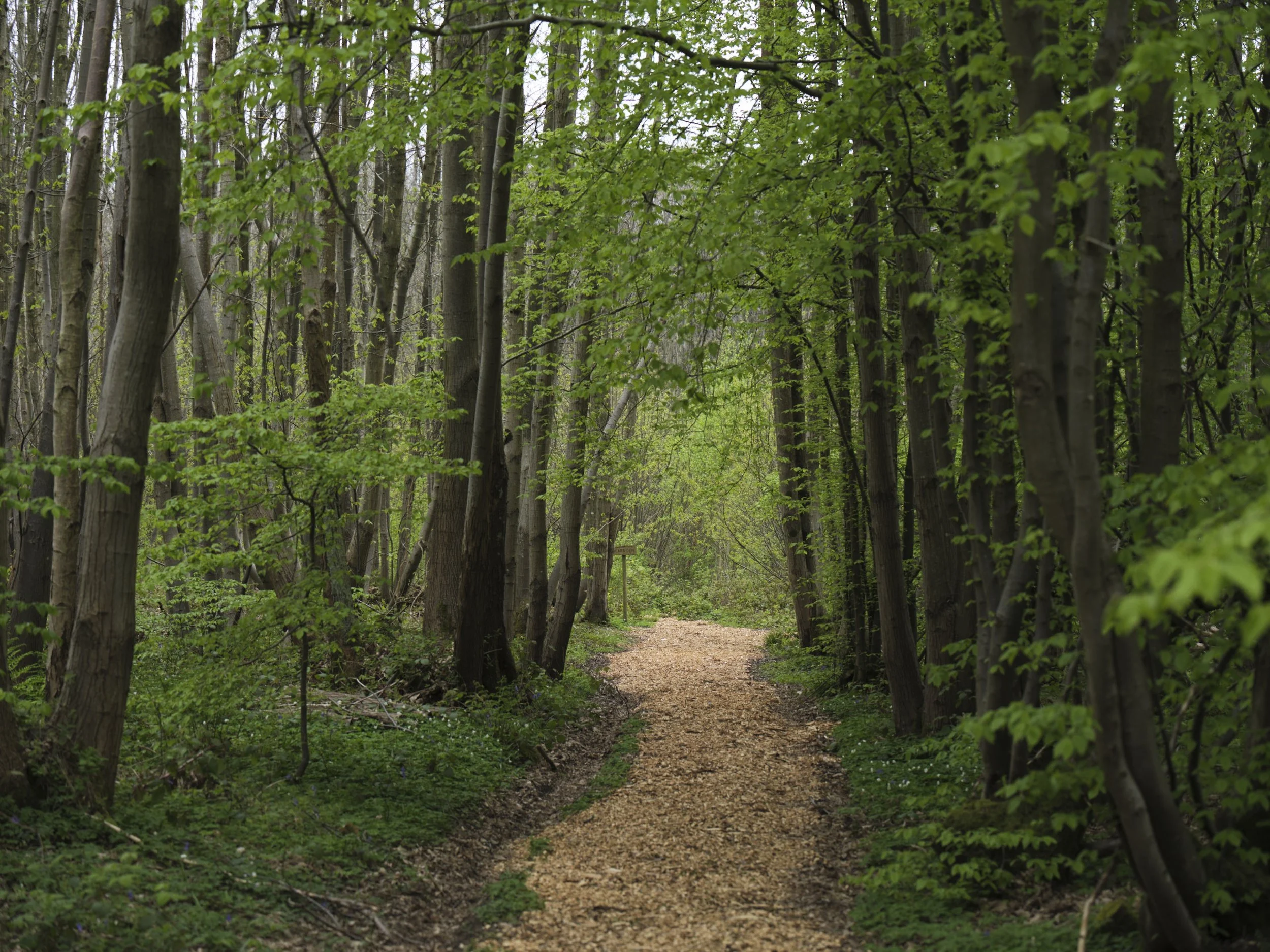
ANCIENT WOODLAND:
An irreplaceable habitat, continuously wooded since at least 1600 AD - it is the centuries of undisturbed soil, as much as the trees, that make it ancient and impossible to recreate once lost.
Ancient woodland covers just 2.5% of the UK, yet Kent holds more of it than any other county in the British Isles, and almost 70% of the Kent Downs' woodland is ancient. A single ancient oak can support more than 2,000 species.
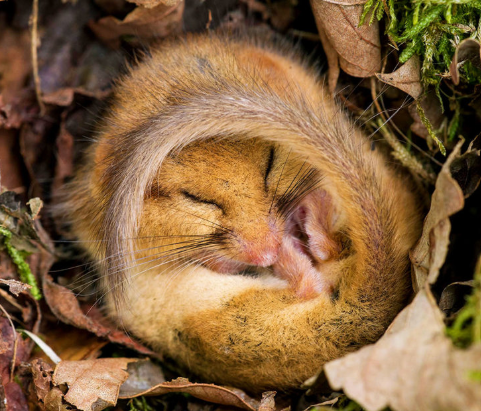
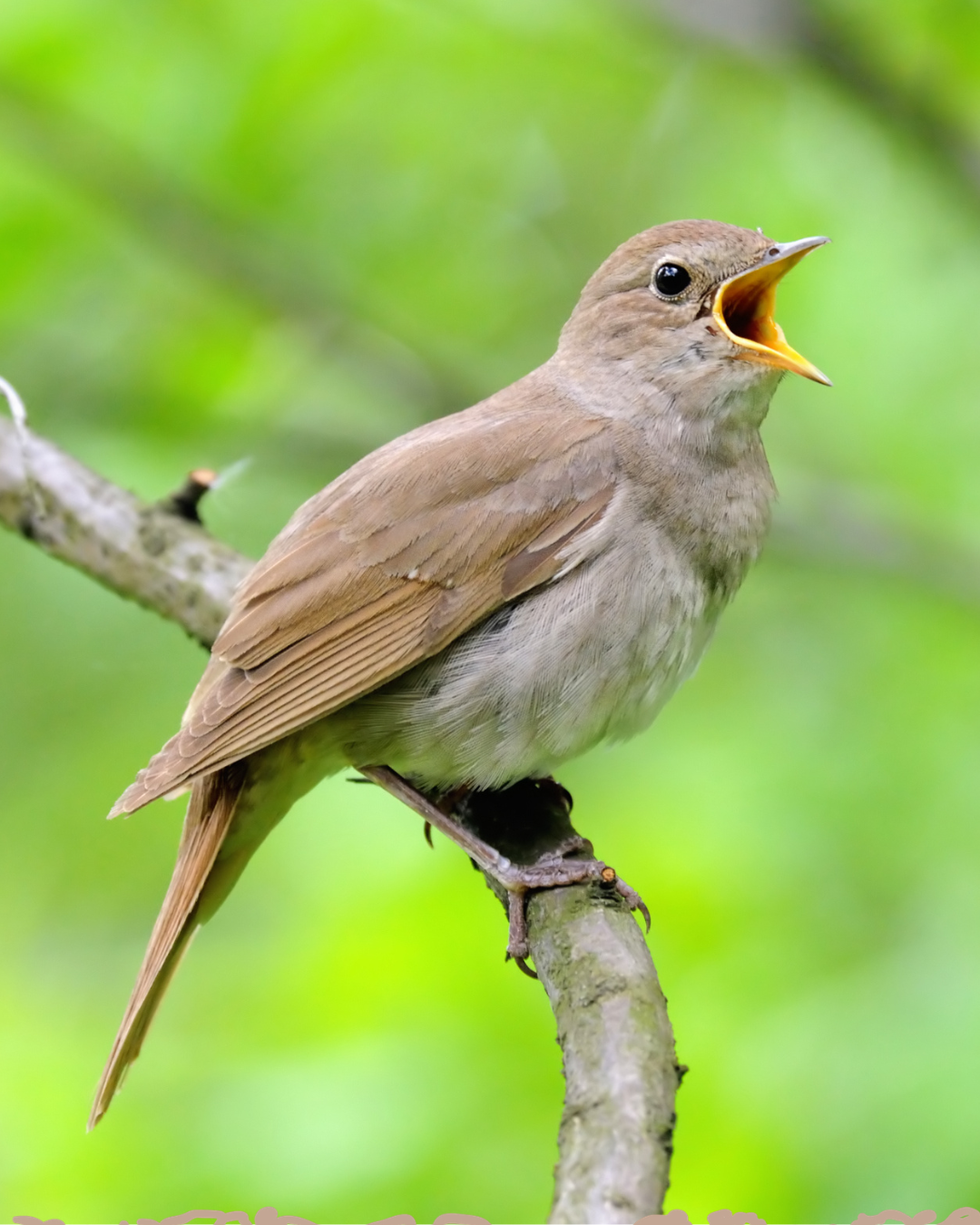
NIGHTINGALE, HAZEL DORMOUSE & BECHSTEIN'S BAT:
These woods hold some of Kent's most sensitive wildlife - the nightingale, for which the South East is a national stronghold; the hazel dormouse, which depends on continuous canopy and hedgerow links to move; and the rare Bechstein's bat, a true woodland specialist.
All three are limited by fragmentation, which is exactly what reconnecting these woods sets out to reverse.