measure your impact
at a landscape scale
INVEST IN NATURE RECOVERY ON YOUR DOORSTEPChalk to Coast is at an exciting development stage - and we're looking for founding corporate partners to help shape what comes next.
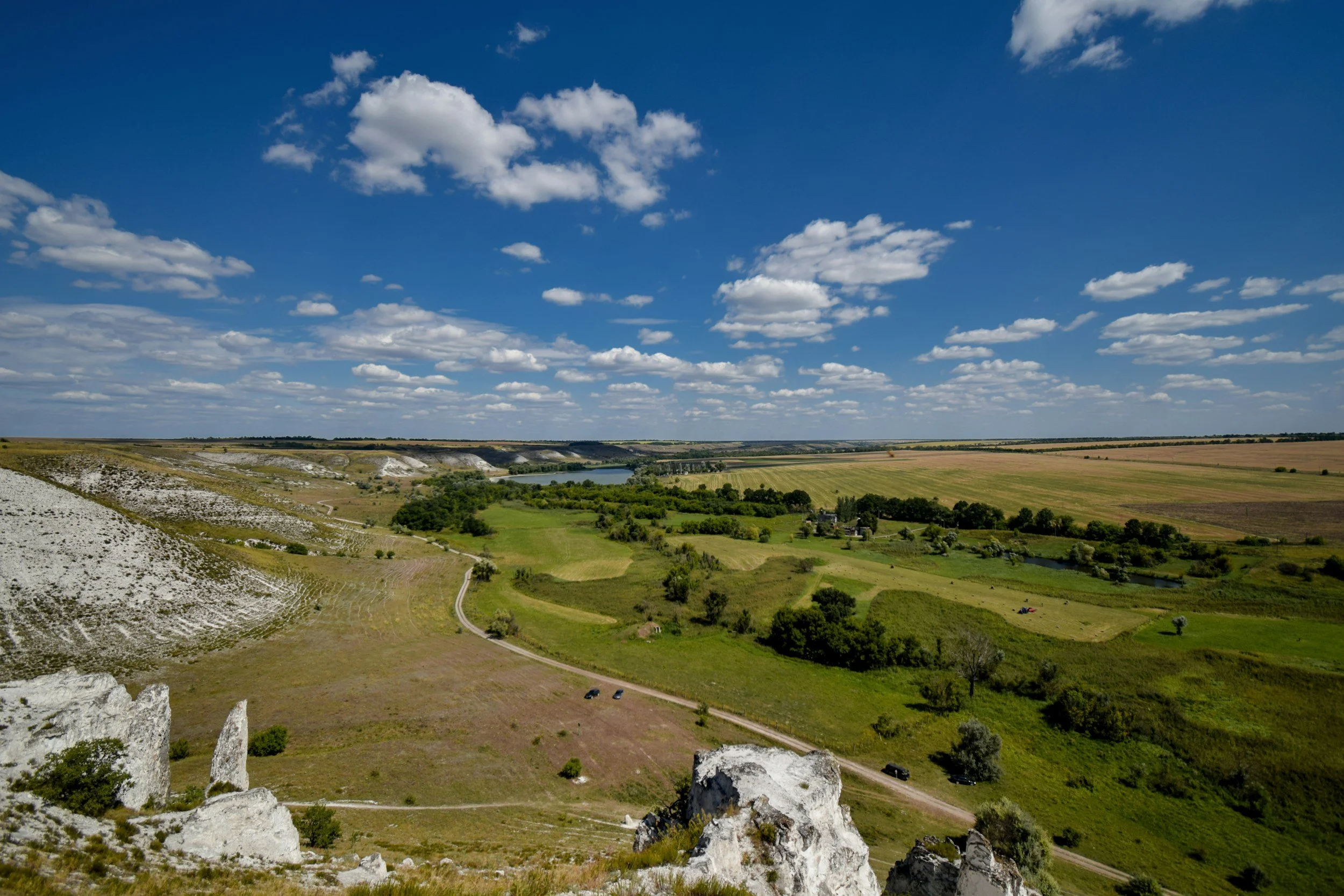
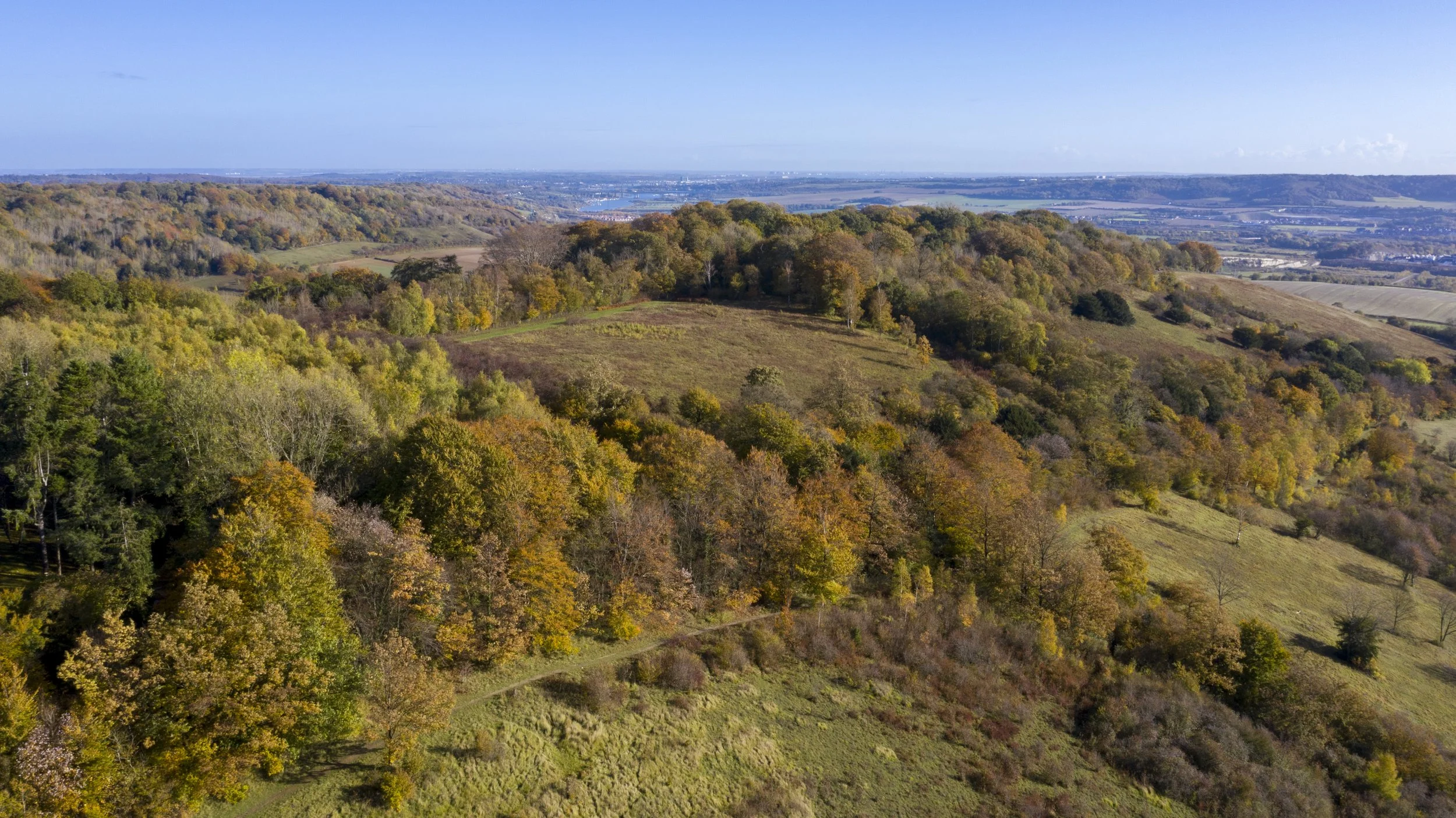
We're building one of the most ambitious nature recovery programmes in the South East: a 1,300 km² corridor from the Kent Downs to the Thames and Swale estuaries, delivering measurable outcomes for water, climate, biodiversity and the communities that depend on them.

A visionary project
for nature positive businesses
BECOME A CORPORATE PARTNER
North Kent faces a genuine environmental crisis - a chalk aquifer that cannot meet the region's growing water needs, rivers failing on water quality, and internationally rare habitats that have shrunk to isolated fragments.
Chalk to Coast exists to address these issues, at a scale that individual landowners and organisations cannot achieve alone.
Deliver nature recovery on your doorstep
A 1,300 km² corridor from the Kent Downs to the Thames and Swale Estuaries - less than an hour from London, accessible, and grounded in a landscape your people know.
Back the farmers already doing it
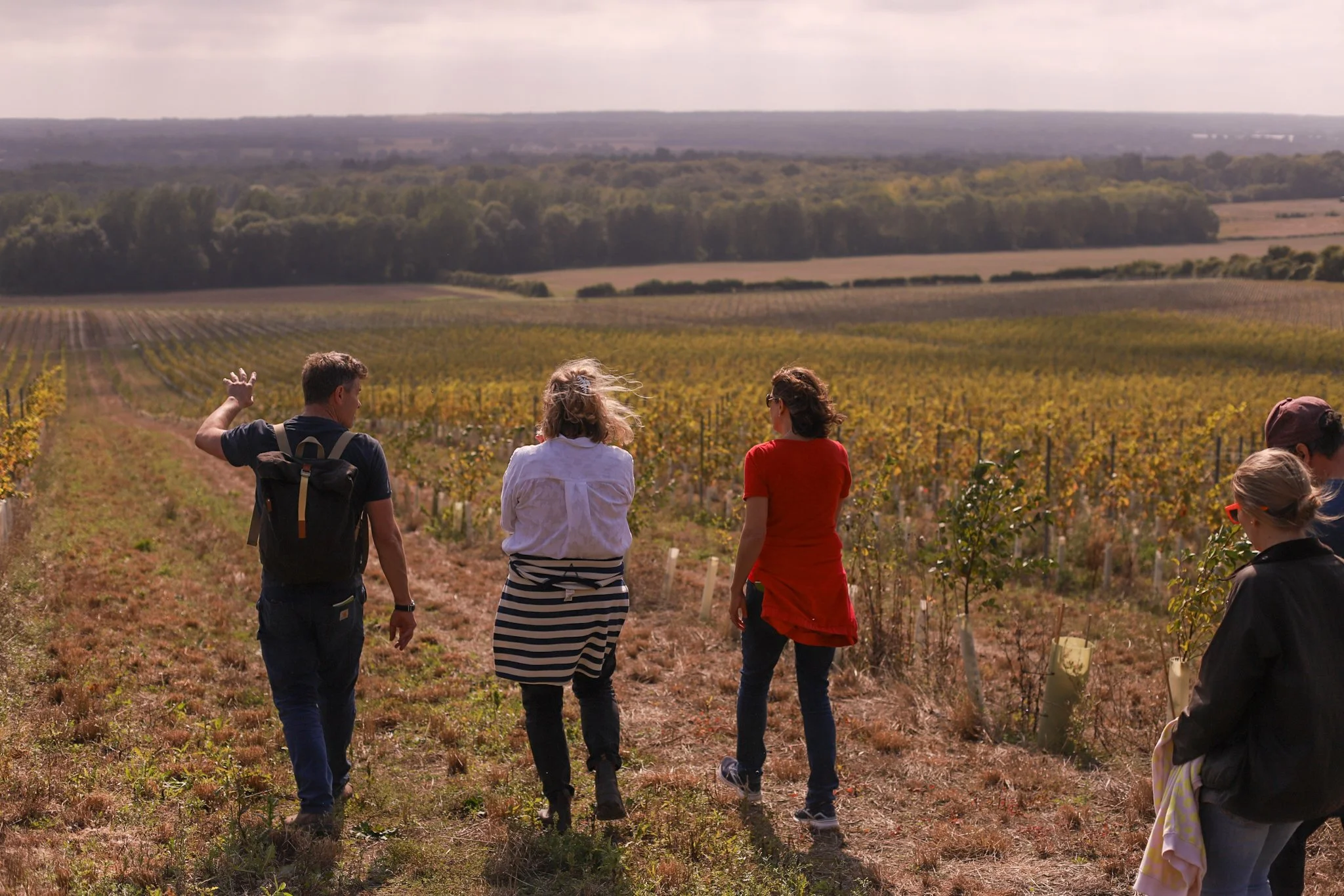
Our three farmer clusters are working farms, not just nature reserves. Your investment helps them restore nature alongside food production - on land they've managed for generations.
Address the twin crises of climate and nature
Water security, flood resilience, biodiversity recovery - these aren't separate problems. We use Nature Based Solutions to tackle them together, across a single connected landscape.
Build something that lasts
Chalk to Coast is a registered CIC with support from partners Natural England, Kent Downs National Landscape, Kent Wildlife Trust and more. Independently governed, long-term in ambition, with vision beyond any single funding cycle.
RESTORING NATURE, WATER & CLIMATE RESILIENCE
RECHARGING KENTWater supply resilience: aquifer recharge & water storage
The North Kent chalk aquifer cannot meet planned housing growth, impacting drinking water supply resilience. Over-abstraction of the aquifer is degrading the internationally rare chalk streams.
The Problem:
Natural Aquifer Recharge through wetland, ponds & scrape creation
Holding back water in the landscape through floodplain reconnection, re-meandering watercourses and leaky woody dams
Improving soil organic matter and its ability to retain water
The Solution:

CLEANING OUR WATERImproving water quality & freshwater ecosystems
The Problem:
The River Medway and its tributaries are failing to meet Good Ecological Status under the Water Framework Directive, damaging freshwater ecosystems and the species that rely on them. That same nutrient load reaches the internationally designated Swale and Medway estuaries, damaging intertidal habitats and seagrass. The story runs the length of the corridor: the same pollutants, tracked from chalk to coast.
Interceptor habitats that trap and extract nutrients before they reach the watercourses: riparian buffer strips, wetlands, woodlands, grasslands and reedbeds
Soil health improvements to mitigate against run off and erosion
The Solution:
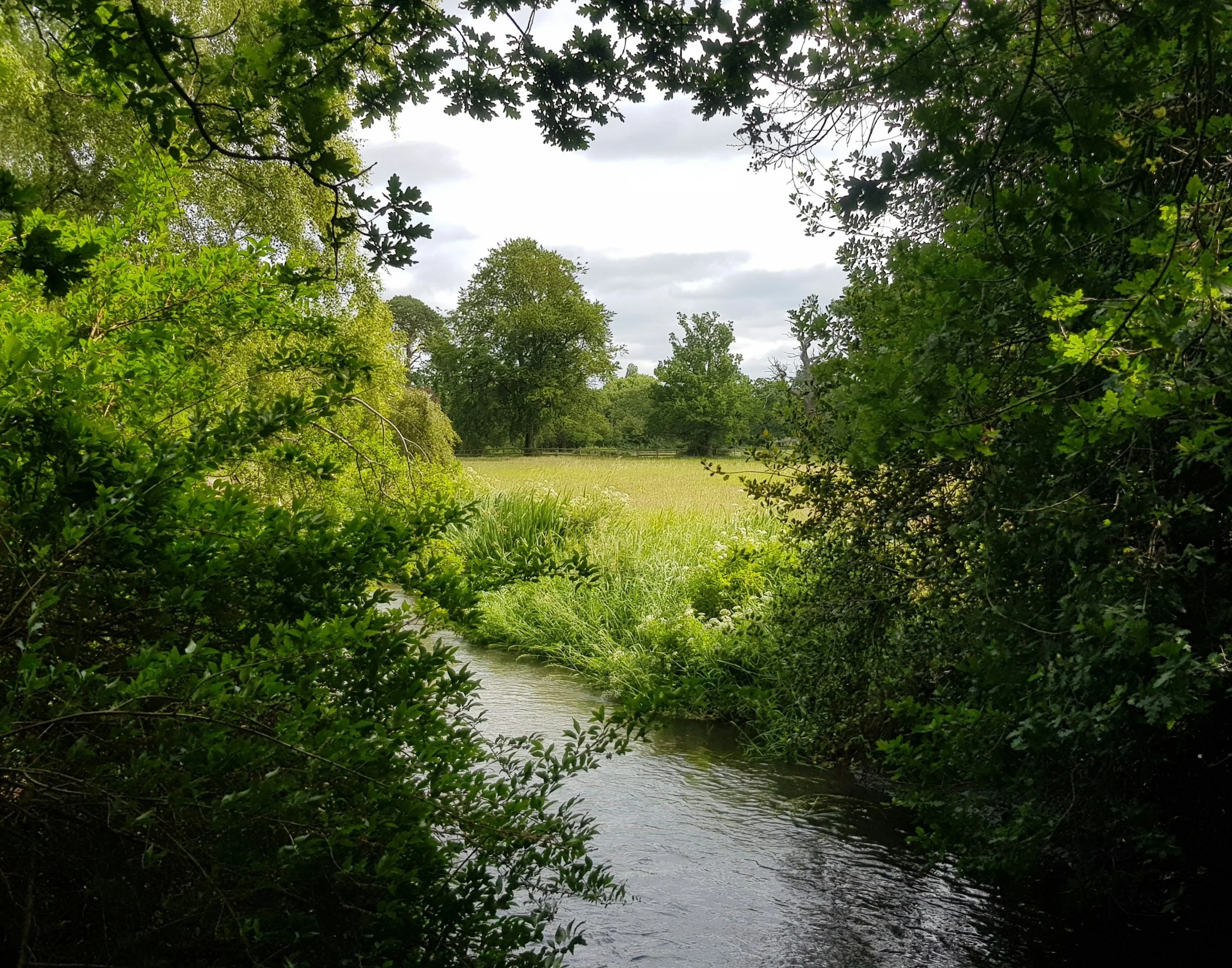
THE GREEN RINGReconnecting fragmented landscapes
The corridor's most valuable habitats — chalk grassland, ancient woodland, marsh — and the species that rely on them, survive in isolated pockets. Infrastructure and urban development sever the routes between them. We must connect the dots, bridge the gaps and provide pathways around the barriers that fragment our landscape.
The Problem:
Creating new habitats (woodland, species-rich grassland, hedgerow, scrub, ponds) between existing protected sites to allow species to move freely as they adapt to the changing climate.
Green bridges and crossings at connectivity barriers and pinch points.
Use existing infrastructure corridors to enhance connectivity (lineside, verges etc)
The Solution:
RECOVERING THE COASTCoastal adaptation and estuarine recovery
Rising seas and fixed sea walls are squeezing the North Kent coast — with over 300ha of habitat lost by 2105 across the Medway & Swale estuary unless space is made. Freshwater marsh behind the wall is salinising and must be relocated to higher ground.
The Problem:
Managed realignment; saltmarsh, intertidal and seagrass creation
Higher-ground freshwater habitat compensation at suitable elevation
Ground-nesting bird protection; marsh re-wetting
The Solution:

A RESILIENT LANDSCAPEBuffering the region against climate extremes
The landscape's capacity to absorb shocks - floods, drought and heat- has been eroded by disconnected floodplains, narrow drainage ditches, degraded soils and loss of vegetative cover. We are restoring the buffering capacity that protects the region and its infrastructure from climate extremes.
The Problem:
Inland flood attenuation and water retention to hold back water during flash flood events in the lower Medway catchment.
Permanent Species-Rich Grassland creation to improve soil carbon and water-storage capacity
Woodland, tree and hedgerow planting to improve air quality and heat island effect
The Solution: