the green corridor connectivity project
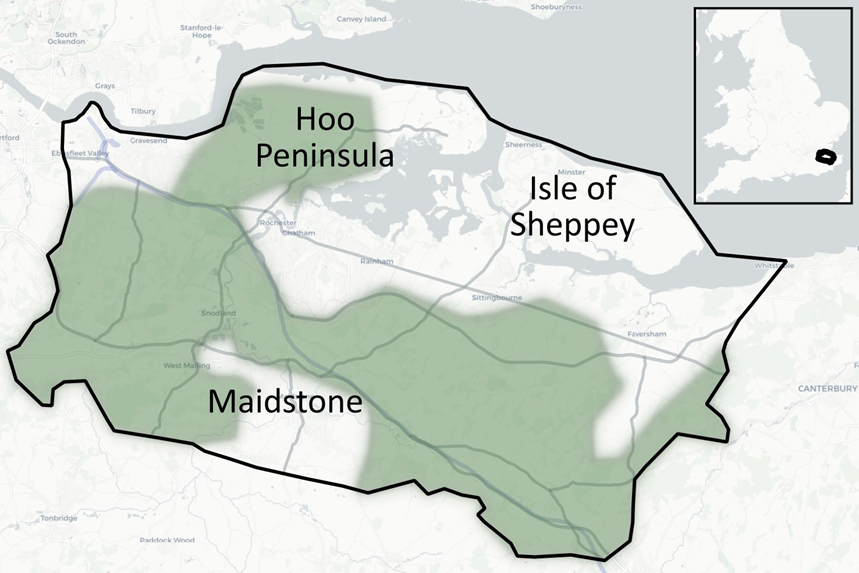
PROJECT OVERVIEW

SCALE: 68,123 ha

LOCATION: Woodland Connectivity Zones across the corridor

CORRIDOR ROLE: Connecting ancient woodland canopies across the corridor and re-establishing traditional management to deliver multiple benefits for people and nature, and to increase climate resilience.


CORE INTERVENTIONS
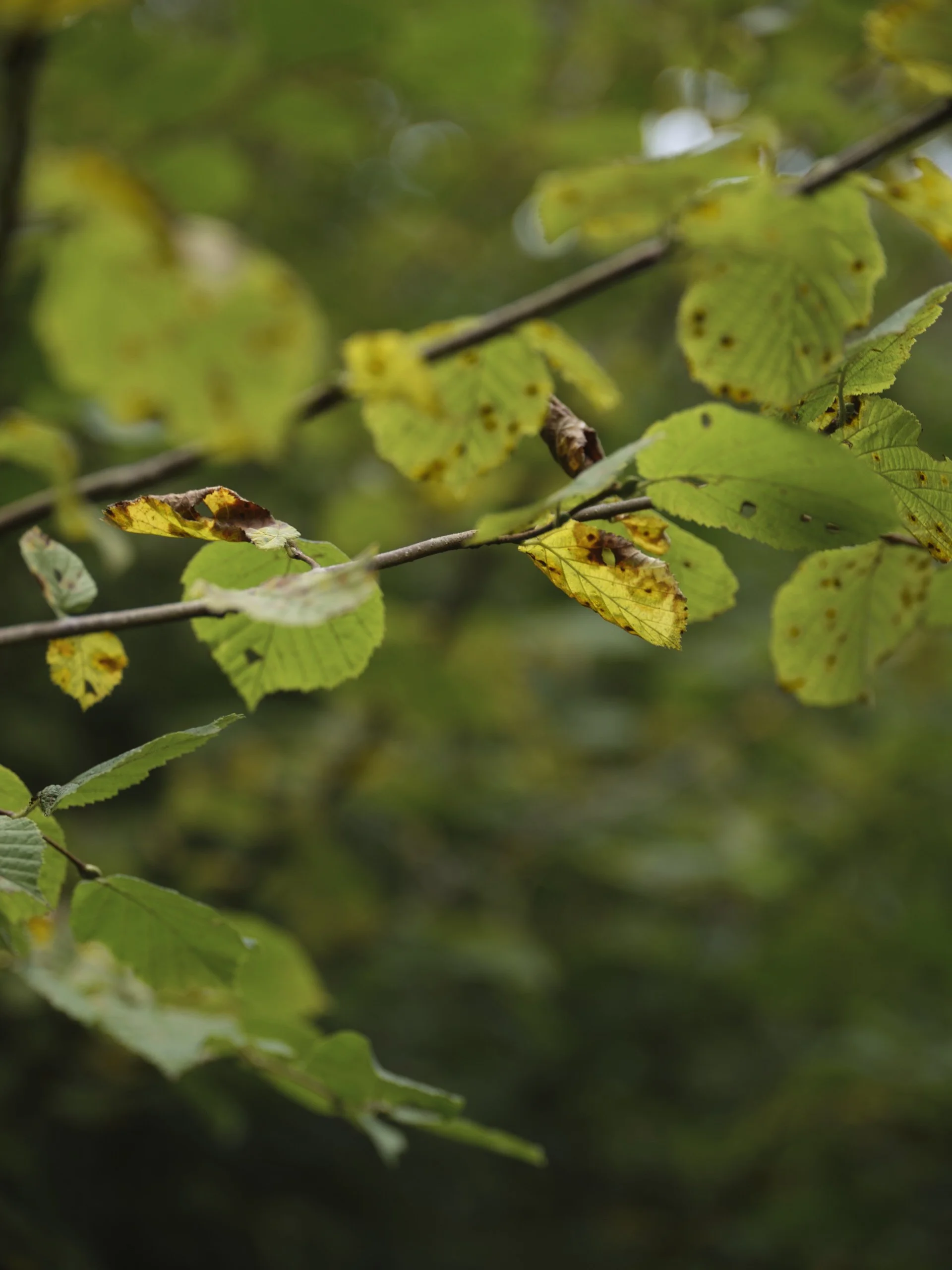
  • Woodland buffering and extension

  • Woodland management and condition improvement

  • Wood-pasture and parkland restoration

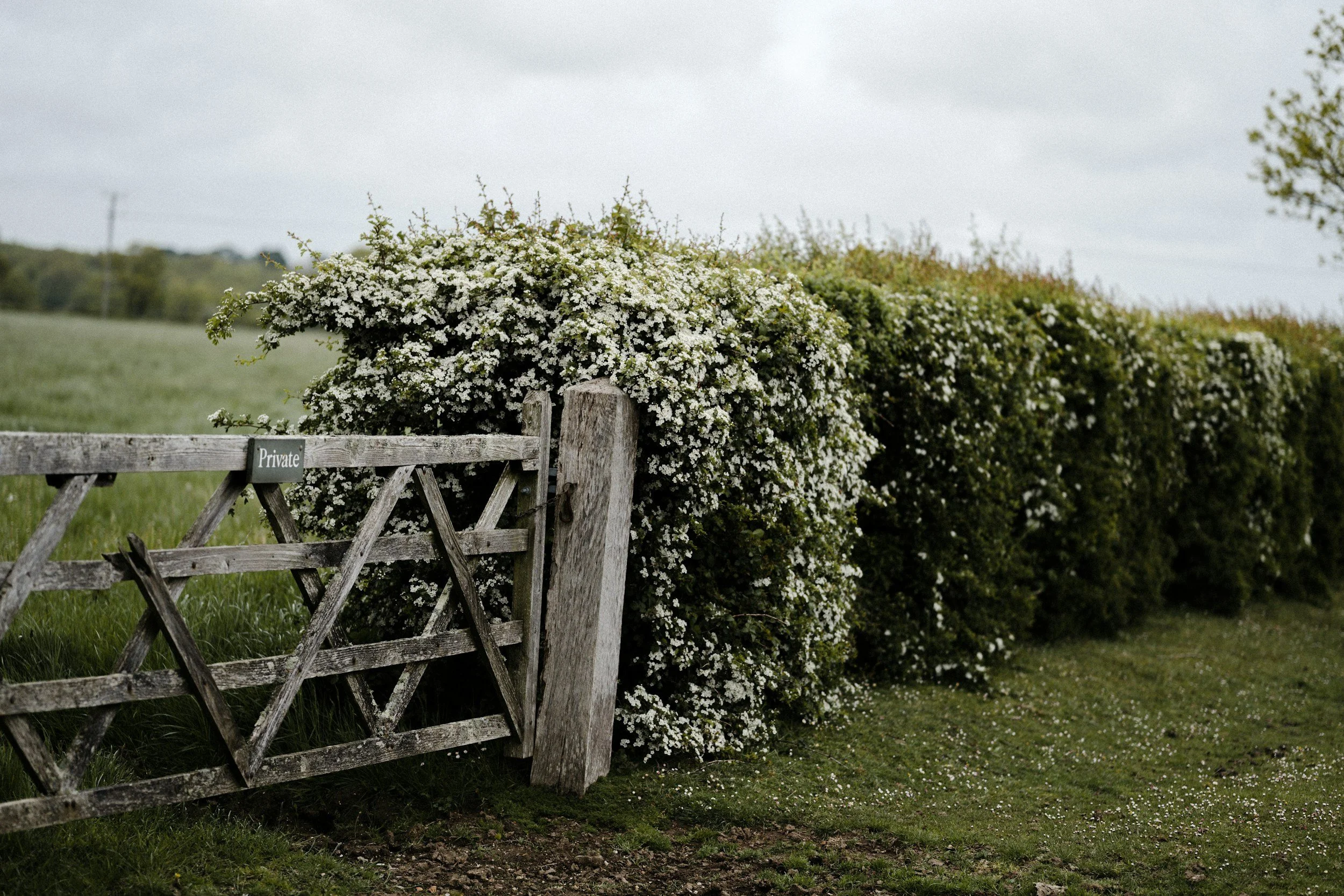
  • Hedgerow restoration

  • Scrub mosaic management


ECOSYSTEMS SERVICES & BENEFITS
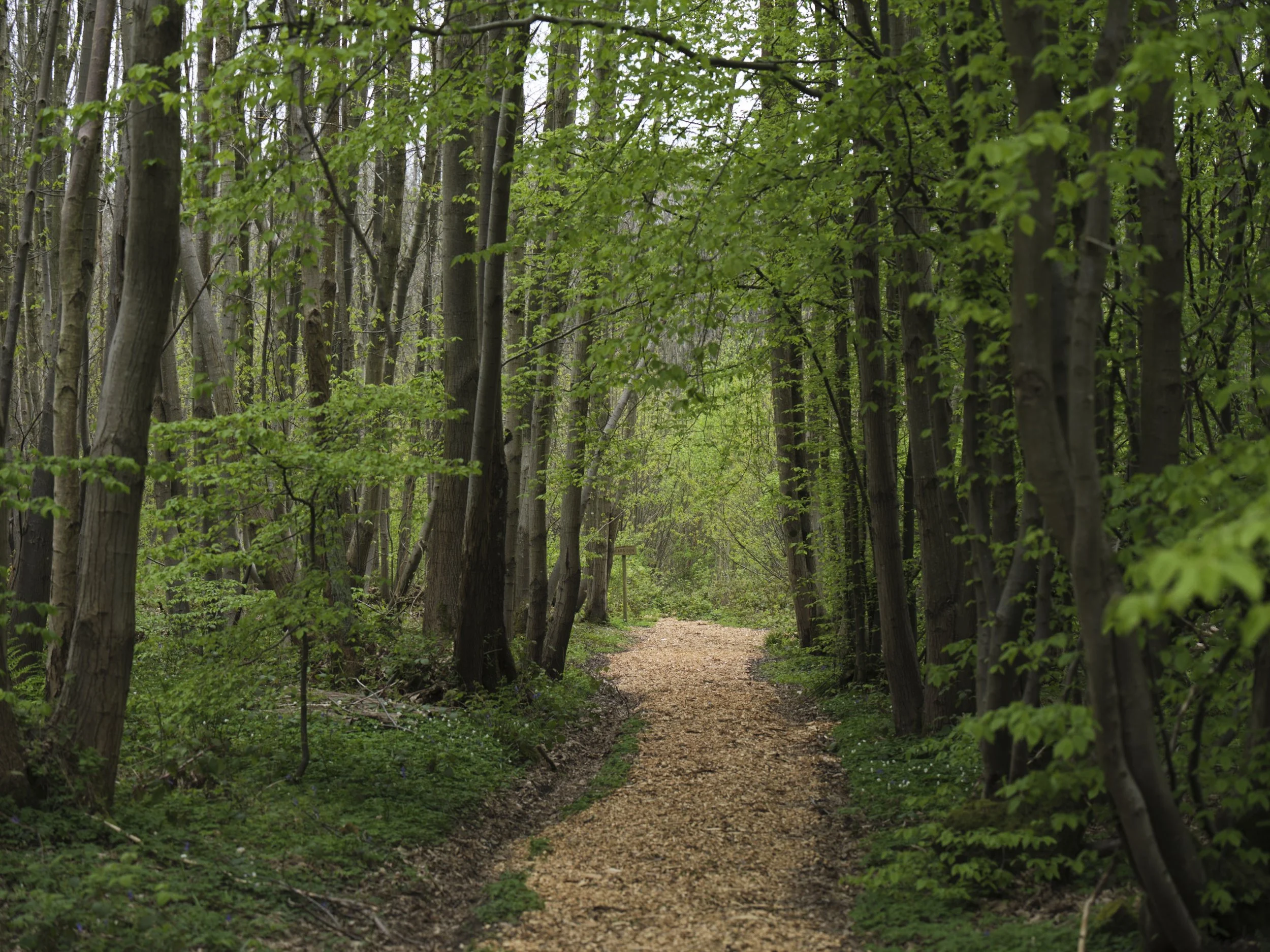
  • Climate resilience: carbon capture, flood storage and cooling

  • Air and water quality improvement

  • Supports pollinator populations

  • Recovery of threatened habitats and species


INVESTMENT OUTCOMES

  • Risk management: increased resilience to flooding and climate change

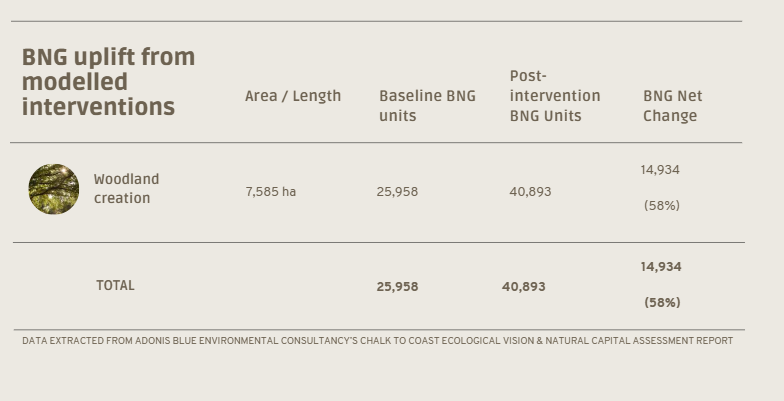
  • Carbon removal, or BNG units, per parcel

  • Protected species mitigation

  • Health treatment savings

  • Sustainable timber production

  • Environmental improvement for public benefit

NATURAL CAPITAL ESTIMATES
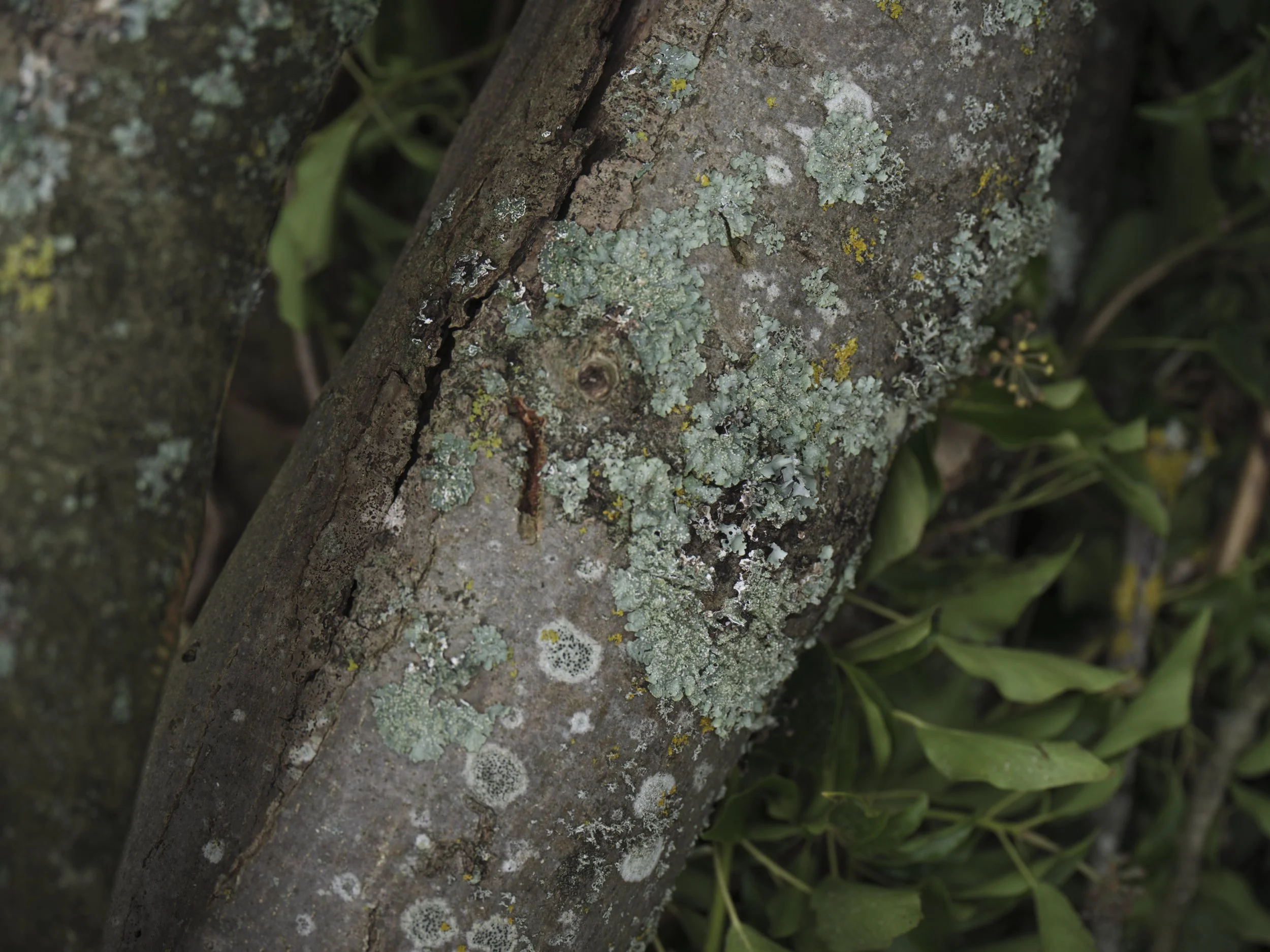
  • ancient woodland

    An irreplaceable habitat, continuously wooded since at least 1600 AD - it is the centuries of undisturbed soil, as much as the trees, that make it ancient and impossible to recreate once lost.

    Ancient woodland covers just 2.5% of the UK, yet Kent holds more of it than any other county in the British Isles, and almost 70% of the Kent Downs' woodland is ancient. A single ancient oak can support more than 2,000 species.

    It is the UK's most biodiverse woodland habitat: a single ancient oak can support more than 2,000 species, 600 of which depend on oak alone.

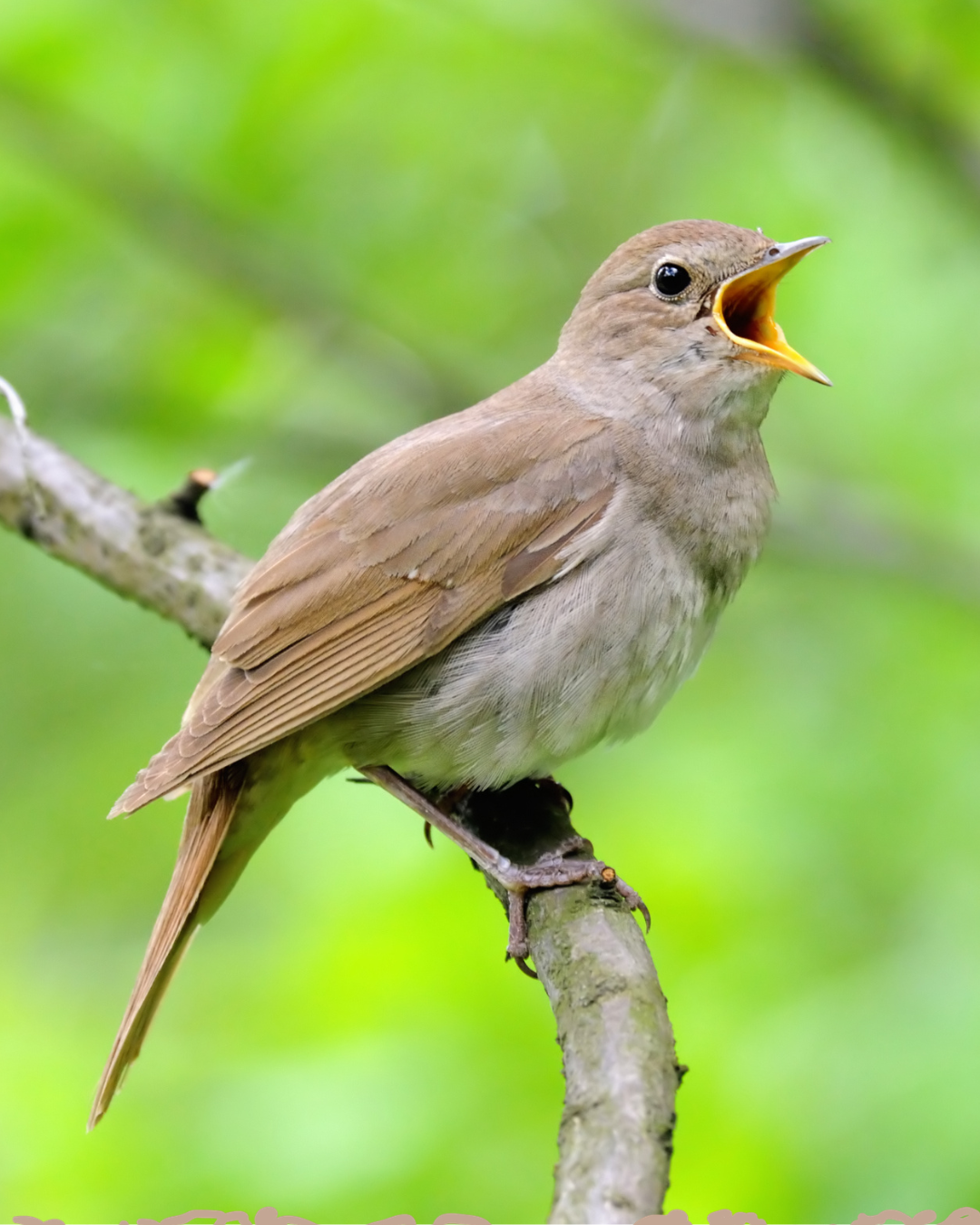
  • nightingale

    Few sounds in nature are as celebrated as the song of the nightingale.

    British numbers have collapsed by more than 90% in fifty years. The Hoo Peninsula and north Kent are now among its last strongholds.

    A summer visitor that crosses the Sahara to breed here, the nightingale needs areas of wet ground, dense scrub and some bare ground beneath it to thrive.

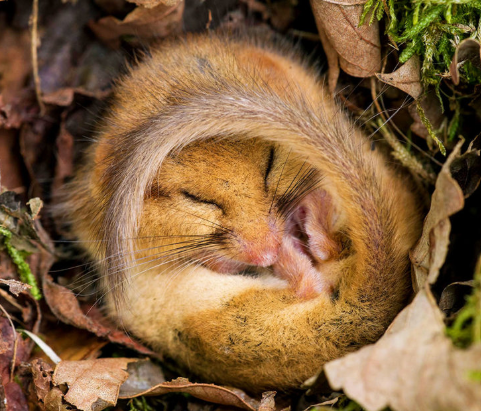
  • woodland species

    Woodland and hedgerows hold some of Kent's most sensitive wildlife - the nightingale, for which the South East is a national stronghold; the hazel dormouse, which depends on continuous canopy and hedgerow links to move; and the rare Bechstein's bat, a true woodland specialist.

    All three are limited by fragmentation, which is exactly what reconnecting these woods sets out to reverse.