THE GARDEN OF ENGLAND PROJECT
CORE INTERVENTIONS
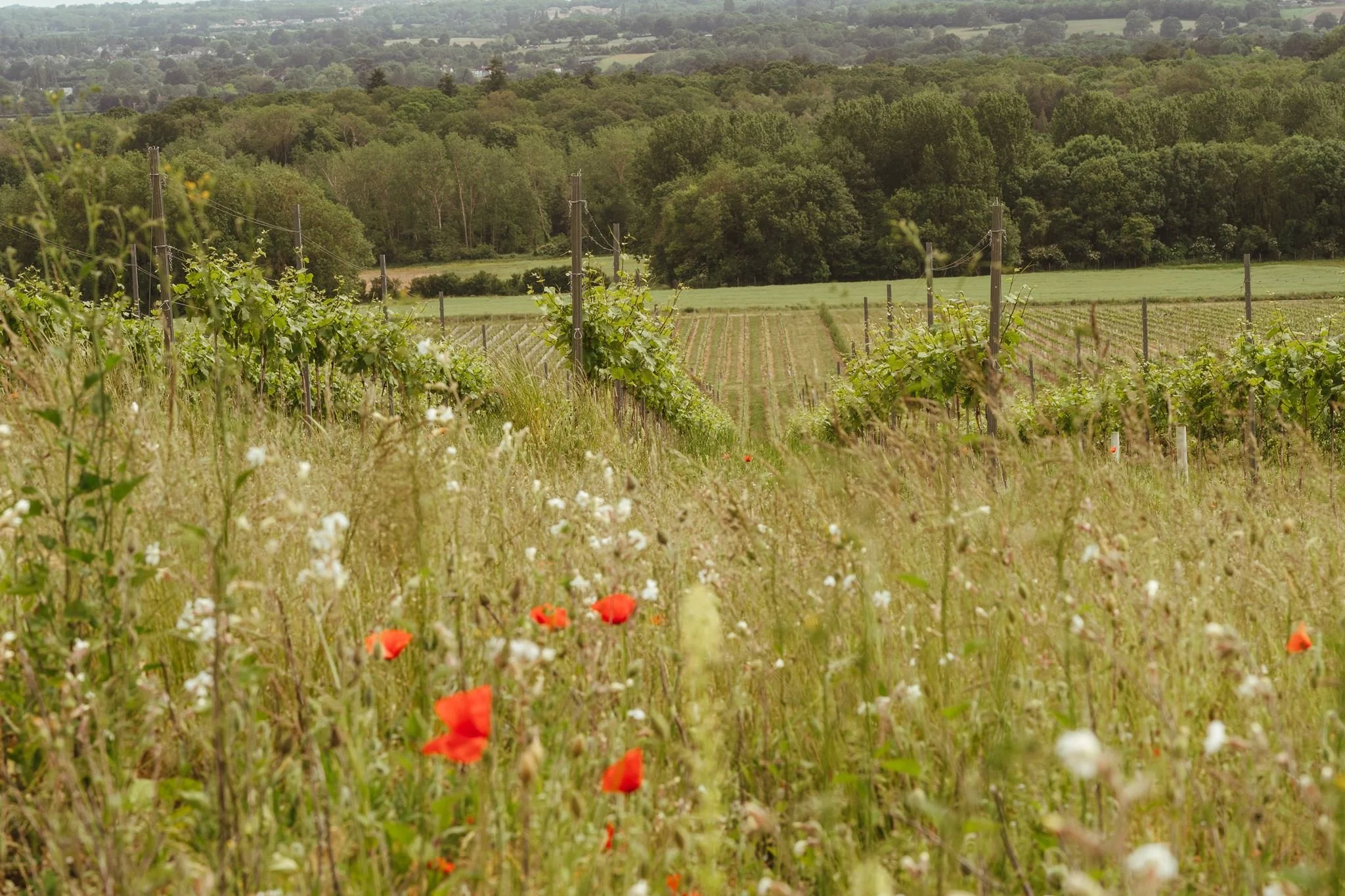
Connected arable margins
Species-rich grassland restoration on marginal land
Ditch, dyke and headwater restoration
Hedgerow and shelterbelt restoration
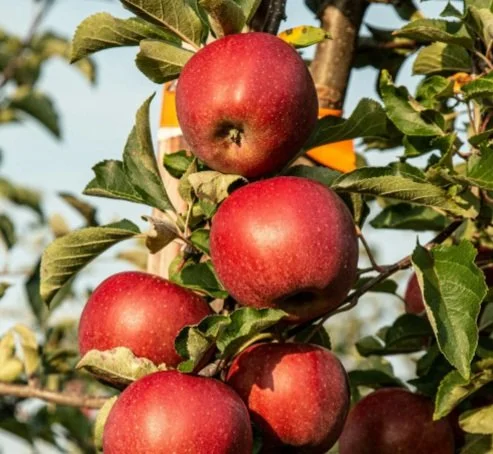
Traditional orchard restoration in the fruit-belt
Nutrient interception wetlands and scrapes
Soil conservation measures
INVESTMENT OUTCOMES
Nature-friendly food produce
Food security supported by pollination and healthy soils
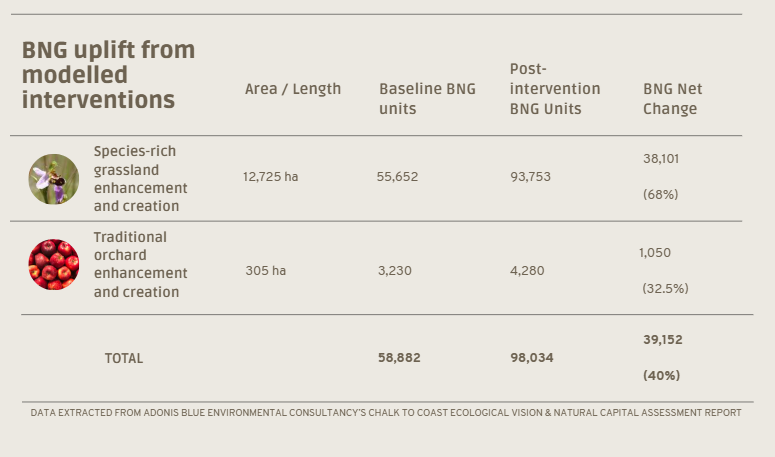
Generates BNG units
Measurable reduction in nutrient load impacts
Water quality and supply resilience
Environmental improvement for public benefit
PROJECT OVERVIEW
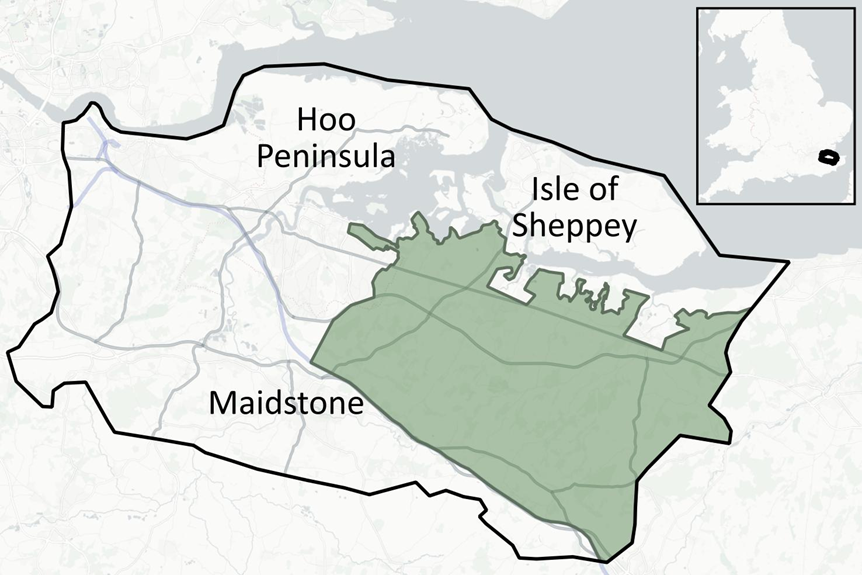
SCALE: 39,400 ha
LOCATION: Swale Borough
CORRIDOR ROLE: The Garden of England landscape comprises nature-friendly farming and fruit-orchards, acting as a buffer between intensive agriculture, infrastructure (High Speed Rail, M2 and M20 motorways) and the sensitive Swale Estuary.
ECOSYSTEMS SERVICES & BENEFITS
Nutrient reduction and water quality improvement
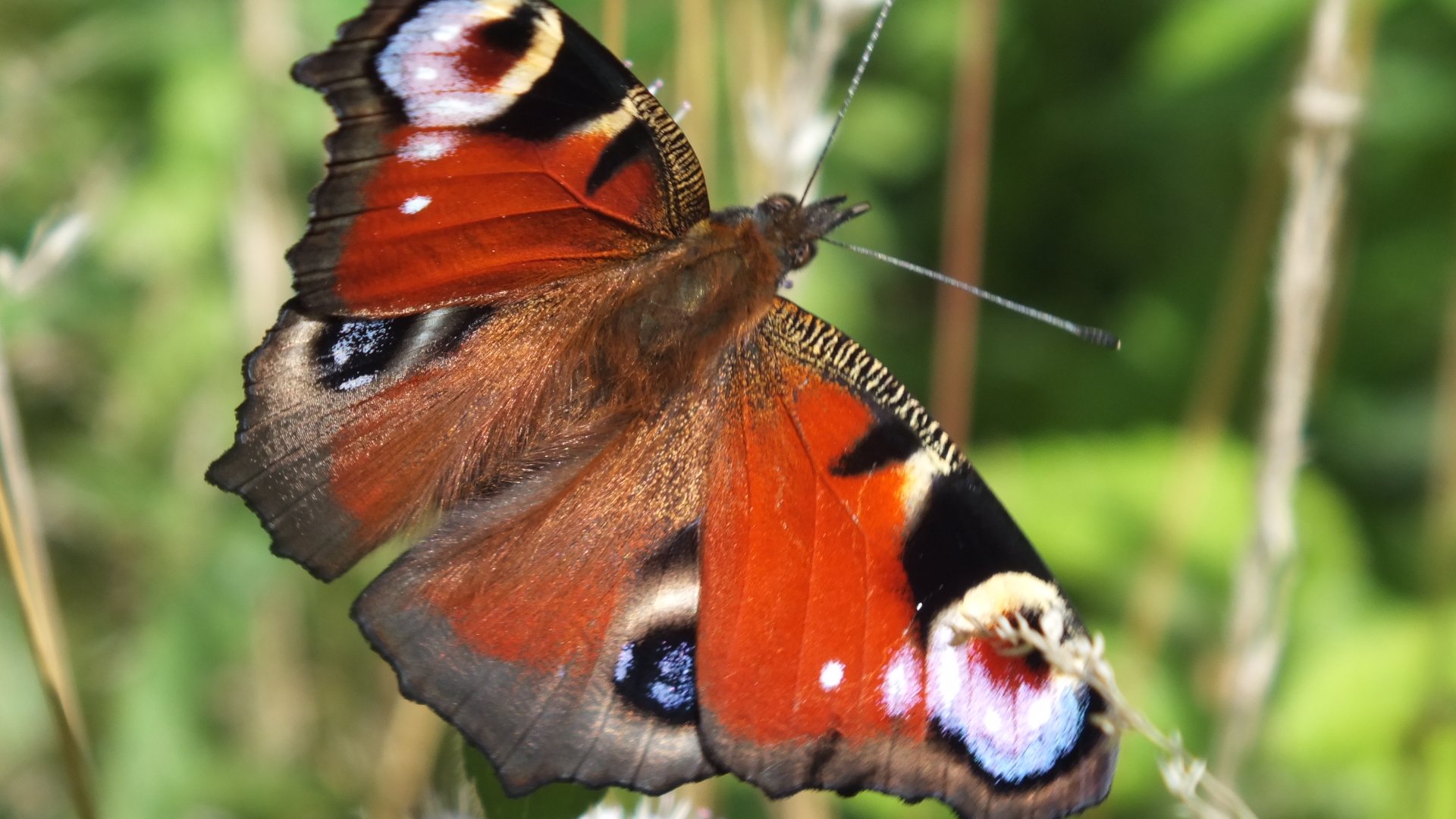
Pollinator services: supporting pollinators and connectivity
Soil health improvement
Recovery of threatened habitats and species
“”
NATURAL CAPITAL ESTIMATES
SPECIES & HABITAT HIGHLIGHTS
TRADITIONAL ORCHARDS & FIELD MARGINS:
Kent's traditional orchards are a priority habitat and a cultural signature of the "Garden of England", their old fruit trees and grassland supporting rich communities of pollinators, birds and invertebrates.
Field margins are a habitat in their own right: over 80 of the UK's arable plant species are now nationally rare or scarce, and restored as a connected network they become wildlife highways through the farmed landscape.
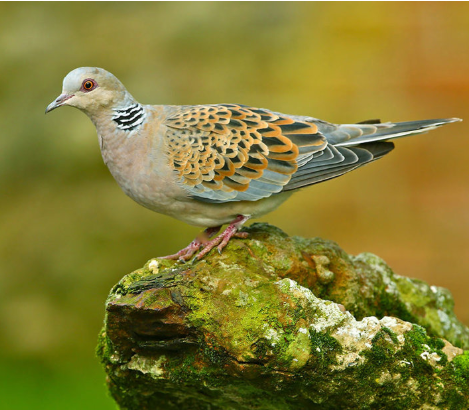
TURTLE DOVE:
One of the UK's fastest-declining birds, the turtle dove depends on the seeds, scrub and margins this landscape provides - and is among the priority species in the corridor's connectivity modelling.