CHALK LANDSCAPE & AQUIFER RECHARGE PROJECT
CORE INTERVENTIONS
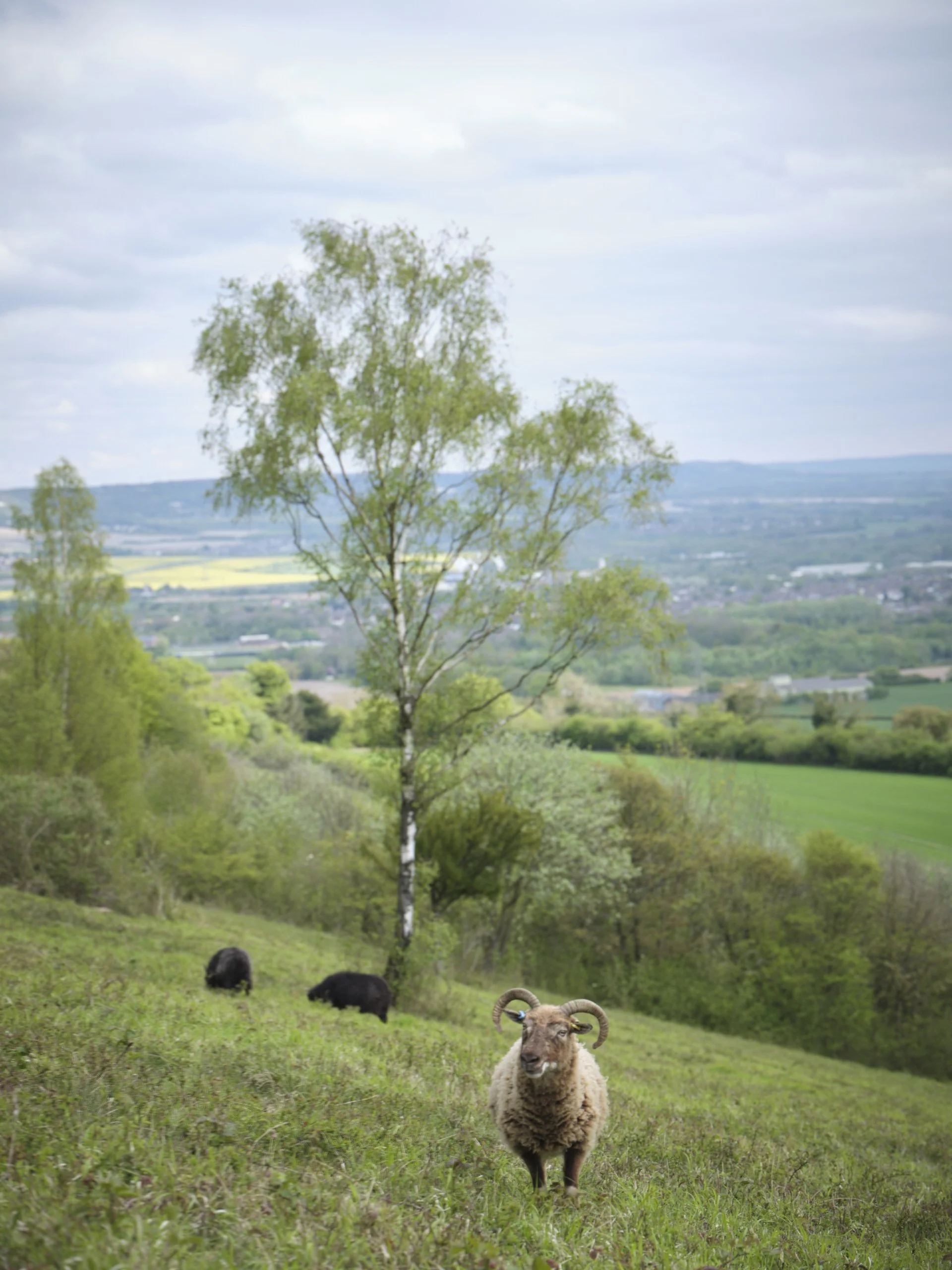
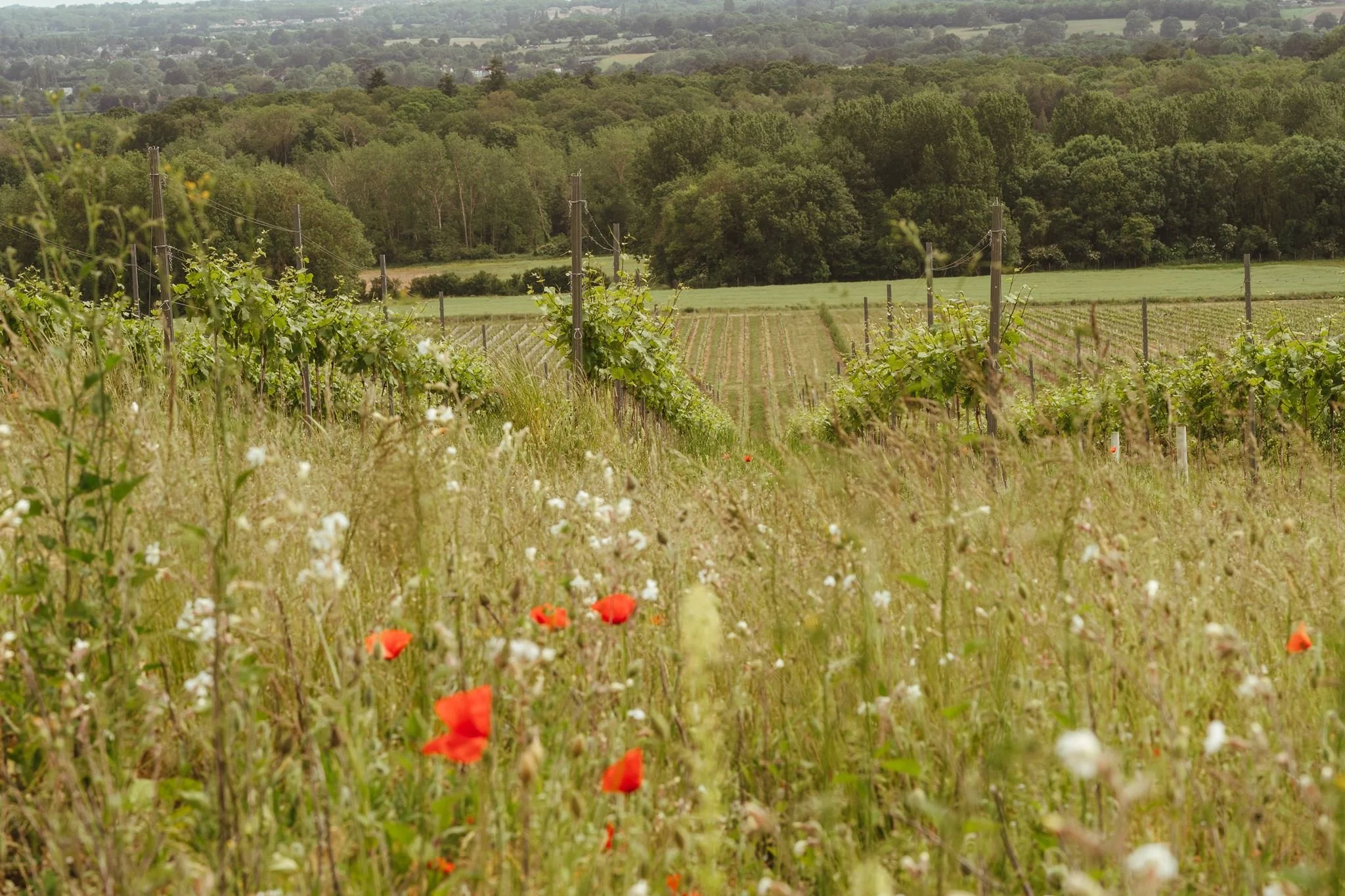
Species-rich and chalk grassland restoration
Headwater protection and chalk stream restoration
Agricultural buffers and interceptor woodlands for nitrate runoff
Infiltration and recharge measures - scrape, pond, wet grassland, reed bed and wetland creation
Soil organic-matter and structure improvement on arable fields
INVESTMENT OUTCOMES
Corporate Sponsorship for the SSSI and high-distinctiveness chalk grassland core, (no BNG uplift)
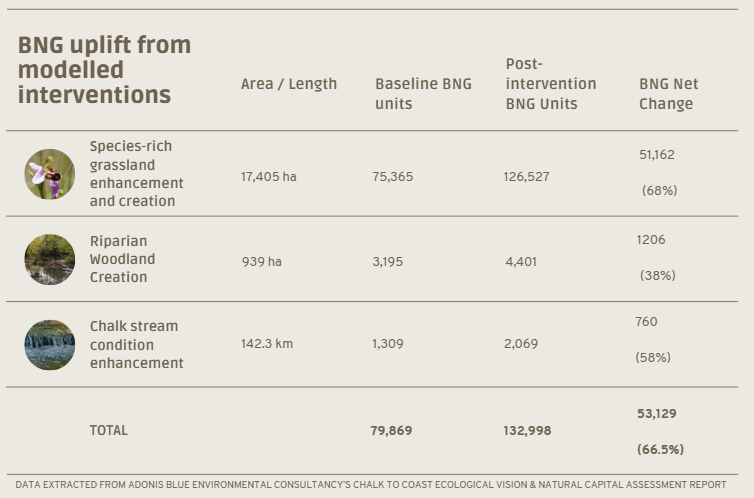
Species-rich grassland, wetland and chalk stream restoration generates BNG units
Verified carbon removals for meeting offsetting commitments
Risk management: increased resilience to wildfires
Water quality improvement and water supply resilience
o Water infrastructure savings for utilities providers
o Voluntary ‘water stewardship’ credits
Environmental improvement for public benefit
Food security supported by pollination services and healthy soils
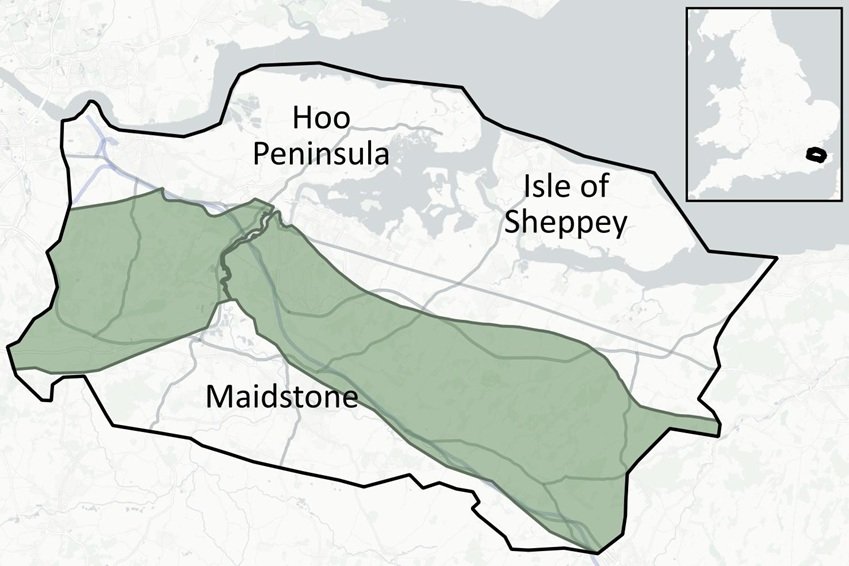
PROJECT OVERVIEWSCALE: 48,411 ha
LOCATION: North Kent Downs
CORRIDOR ROLE: Chalk grassland and chalk streams are among the rarest and most biodiverse habitats on Earth. Both are shaped by the same chalk geology - formed from the remains of marine organisms laid down millions of years ago, and found in only a few pockets worldwide.
But the aquifer matters for people too: our part of North Kent depends almost entirely on the chalk aquifer for its drinking water, with very little reservoir storage to fall back on. That makes keeping the aquifer naturally recharged - and protecting it from nitrate and other pollution - not just an environmental concern but a direct matter of public water security.
ECOSYSTEMS SERVICES & BENEFITS
Aquifer recharge and drinking water resilience
Reduced nutrient and sediment runoff into drinking water supply
Damp habitats act as firebreaks to mitigate climate extremes
Carbon sequestration through soil health improvement
Enhanced pollinator services
Recovery of threatened habitats and species
“Chalk streams are one of the rarest habitats on earth.. and contain more plant species than any other type of river”
NATURAL CAPITAL ESTIMATES
SPECIES & HABITAT HIGHLIGHTS
CHALK GRASSLAND:
Supporting up to 40 plant species per square metre, and ranking among the most biodiverse habitats globally - no wonder this habitat is known as ‘Europe’s Rainforest’.
Kent contains 1,900 hectares (2.5%) of the world's remaining chalk grassland
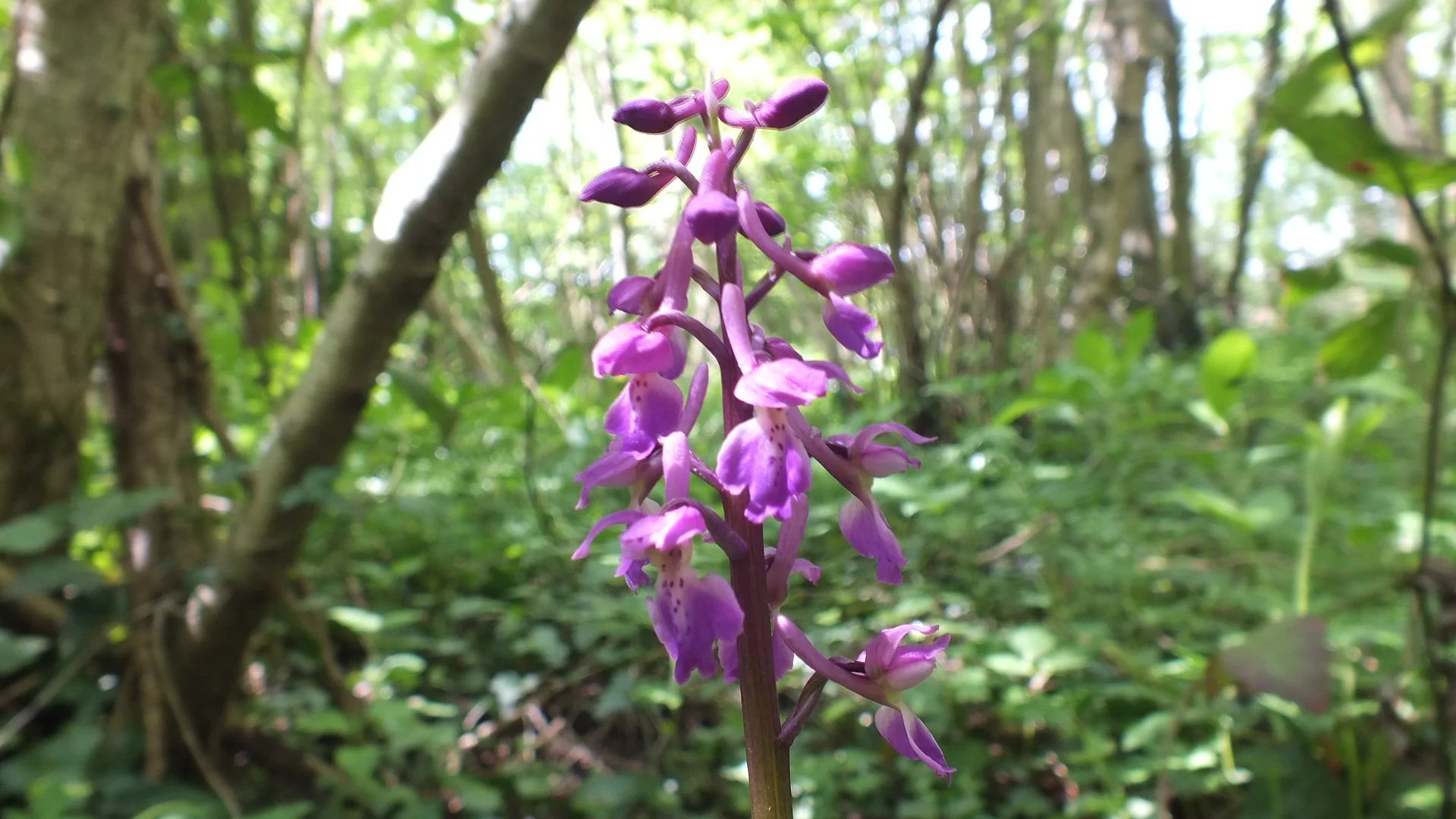
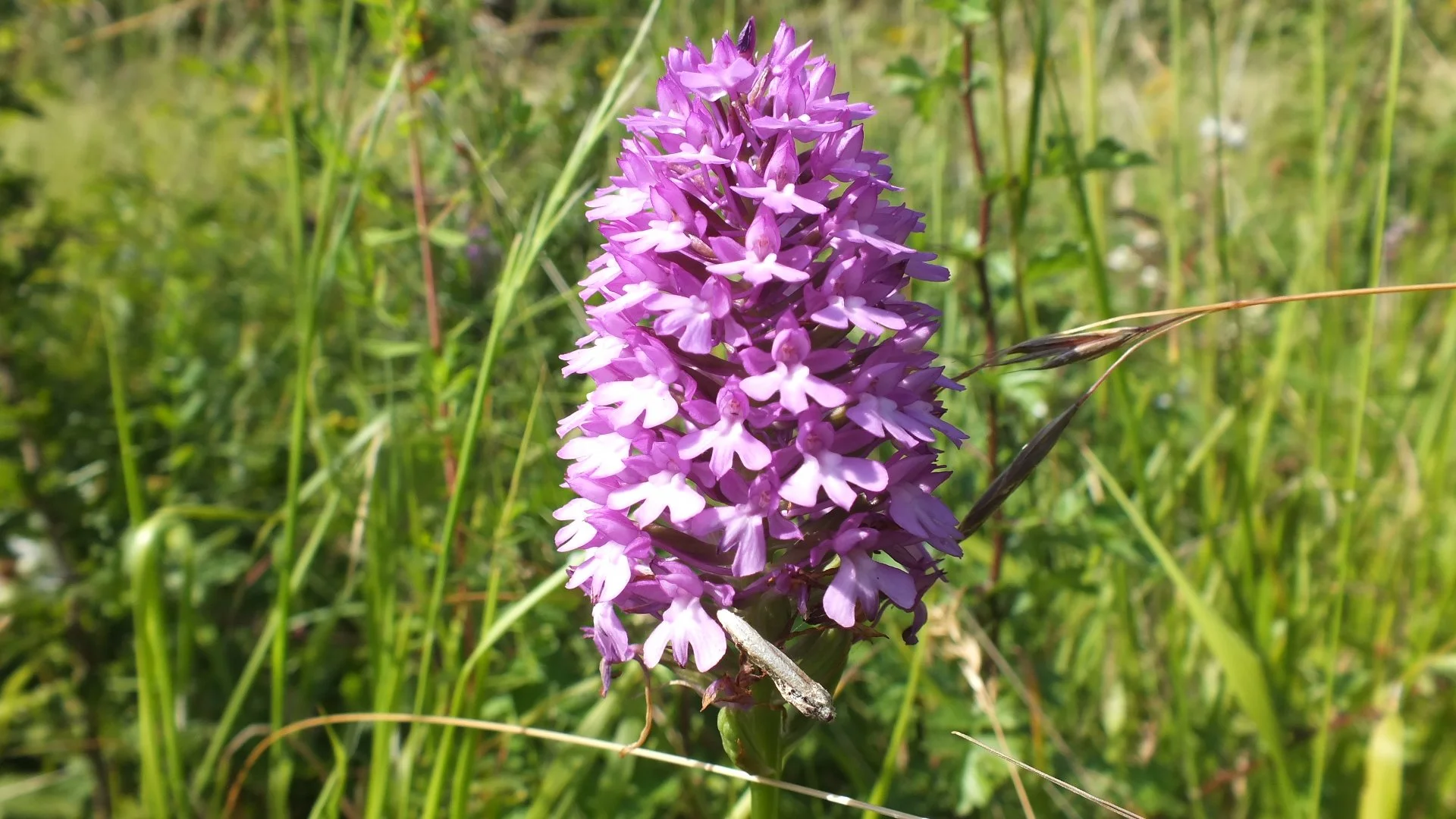
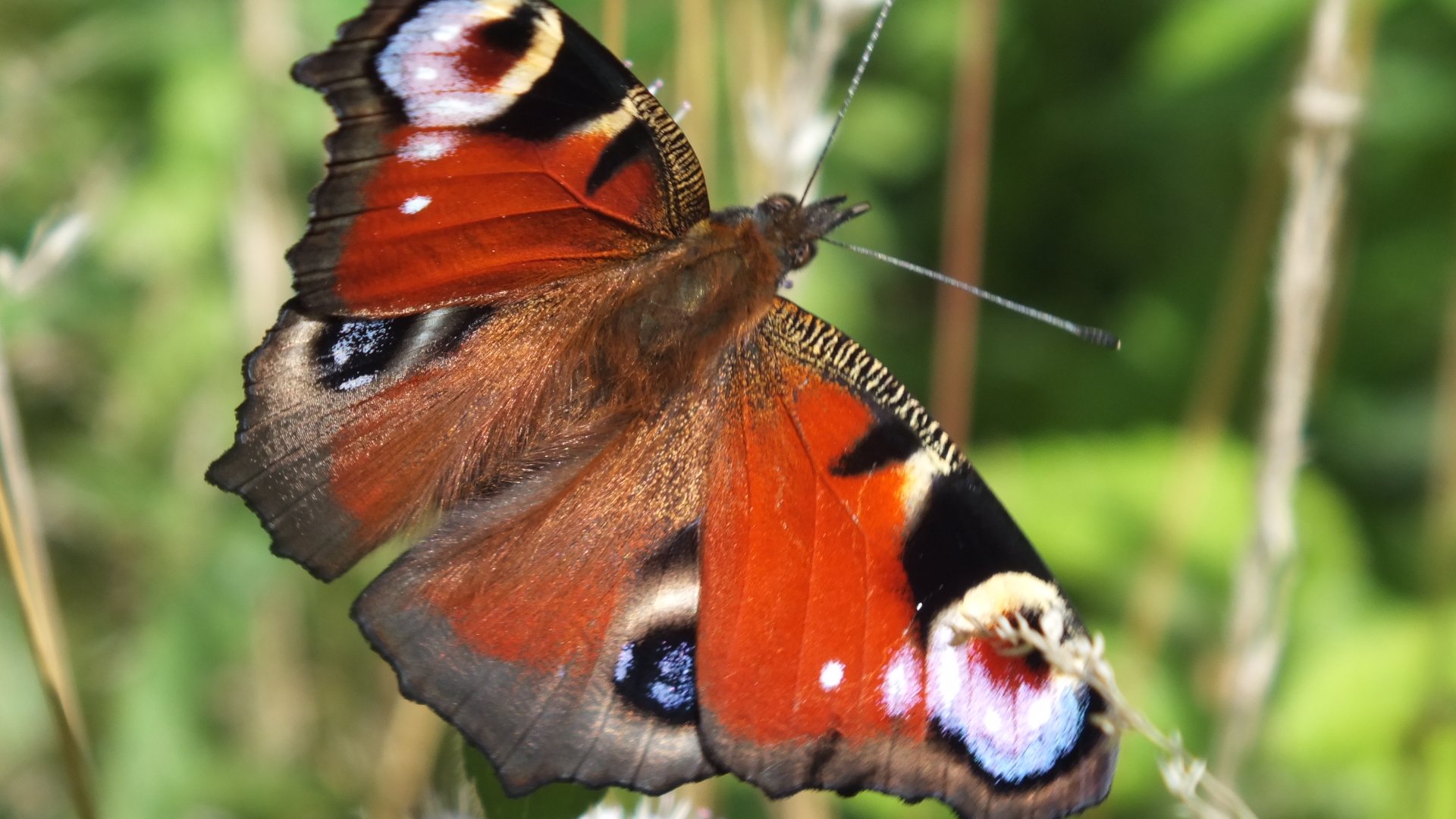
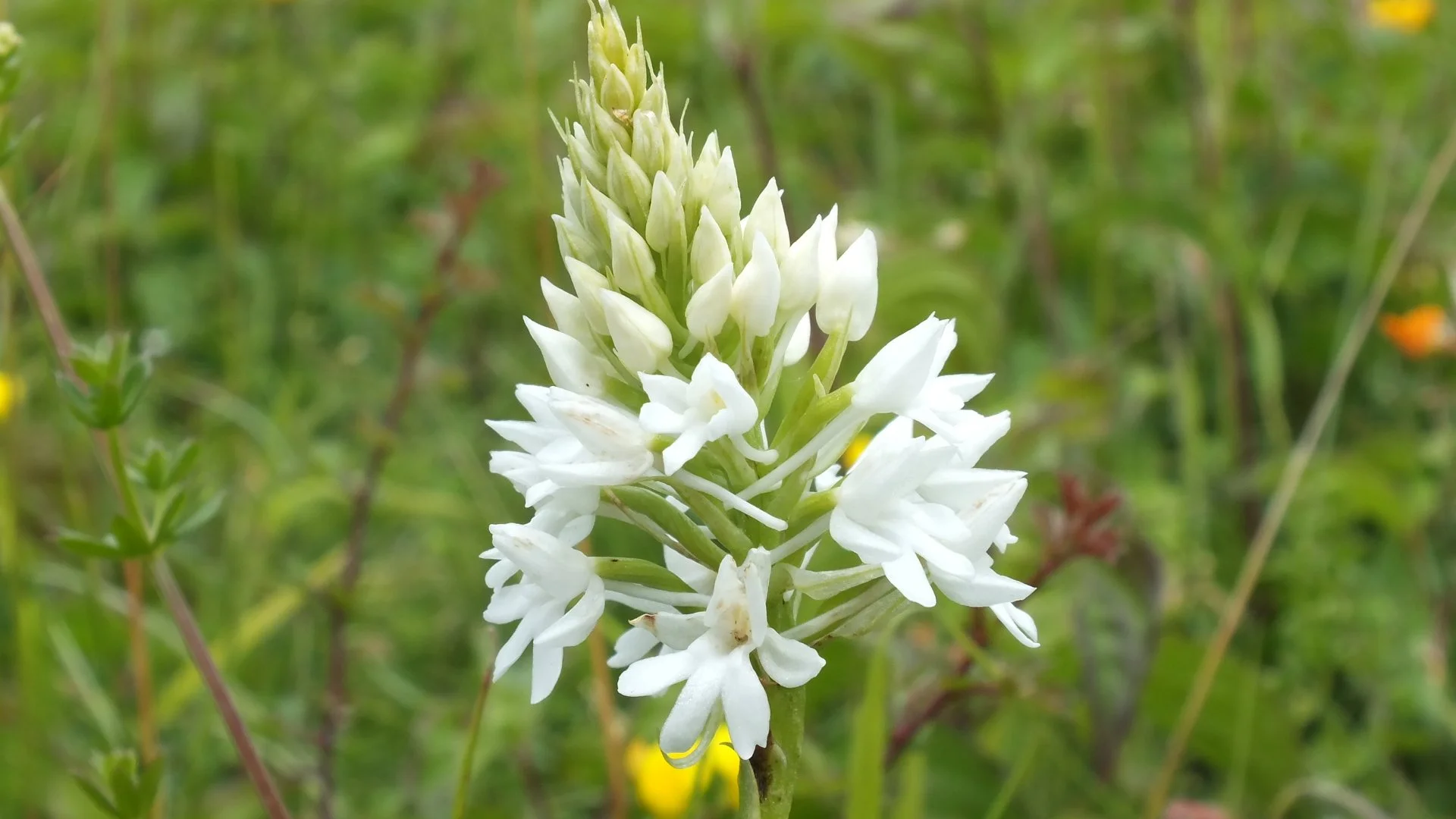
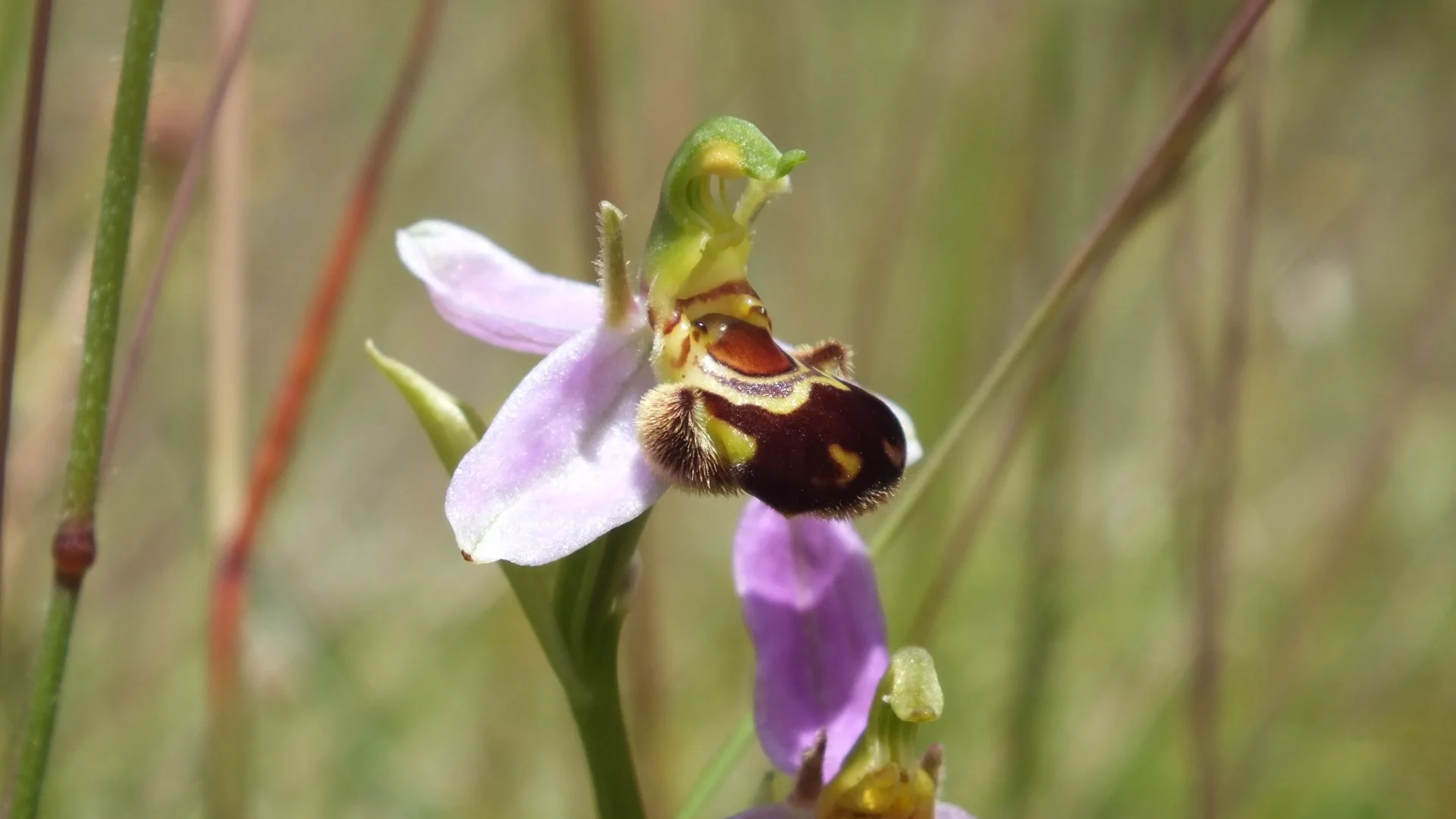
Chalk grassland is one of Europe’s most threatened habitats, its loss losing habitat for rare and endangered species like the Adonis blue butterfly and wild orchids.
Over 50% of the UK’s butterfly species inhabit chalk grasslands, including the rare Duke of Burgundy and Chalkhill Blue butterflies.
CHALK STREAMS:
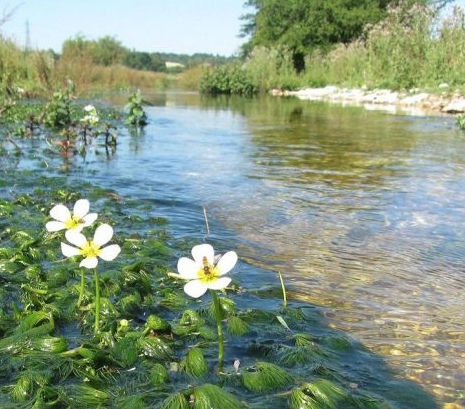
One of the rarest freshwater habitats on Earth - fewer than 300 exist worldwide, and England holds around 85% of them.
Fed not by rainfall but by water rising from the chalk aquifer, they run clear, mineral-rich and at a near-constant temperature all year - conditions found almost nowhere else, and shaped by the same chalk geology beneath the North Kent Downs.
They support species found in few other places, including white-clawed crayfish, wild brown trout, water voles and upwinged mayflies, and are considered an irreplaceable habitat.
Yet most of England's chalk streams are in poor health, with only around 17% meeting 'good ecological status' - over-abstraction and pollution being the greatest threats to their survival.
ANCIENT WOODLAND:
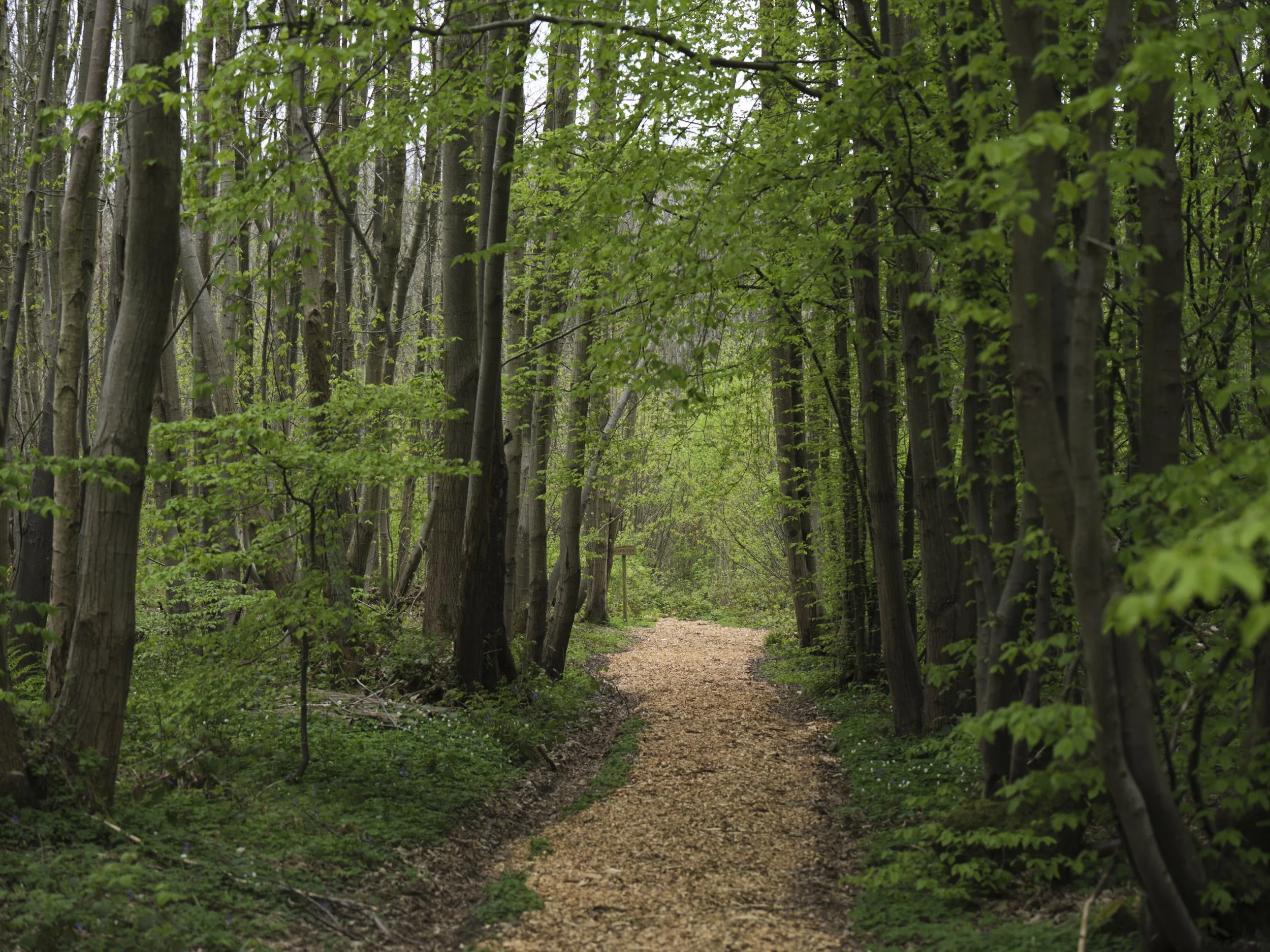
An irreplaceable habitat, continuously wooded since at least 1600 AD - it is the centuries of undisturbed soil, as much as the trees, that make it ancient and impossible to recreate once lost.
Ancient woodland covers just 2.5% of the UK, yet Kent holds more of it than any other county in the British Isles - and almost 70% of the Kent Downs' woodland is ancient.
It is the UK's most biodiverse woodland habitat: a single ancient oak can support more than 2,000 species, 600 of which depend on oak alone.
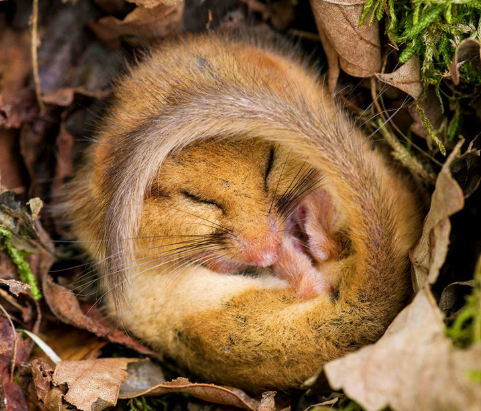
Recognised by slow-colonising indicator plants such as bluebells, wood anemone, ramsons and yellow archangel, and home to declining wildlife including the nightingale and hazel dormouse.