RIVER MEDWAY & WETLANDS RECOVERY PROJECT
PROJECT OVERVIEW
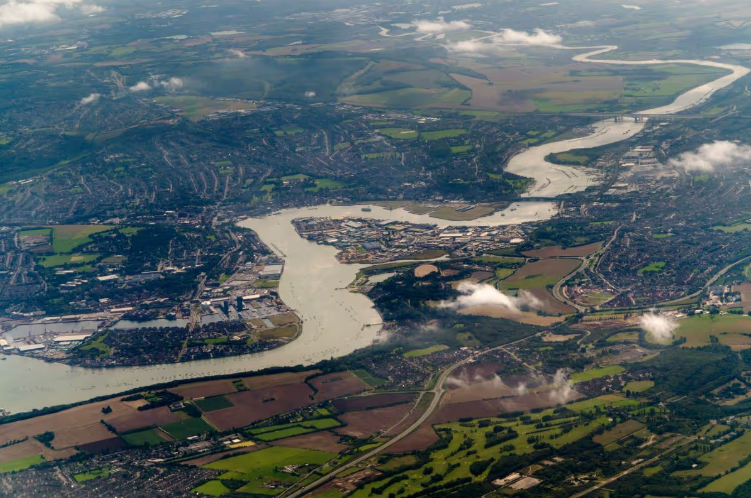
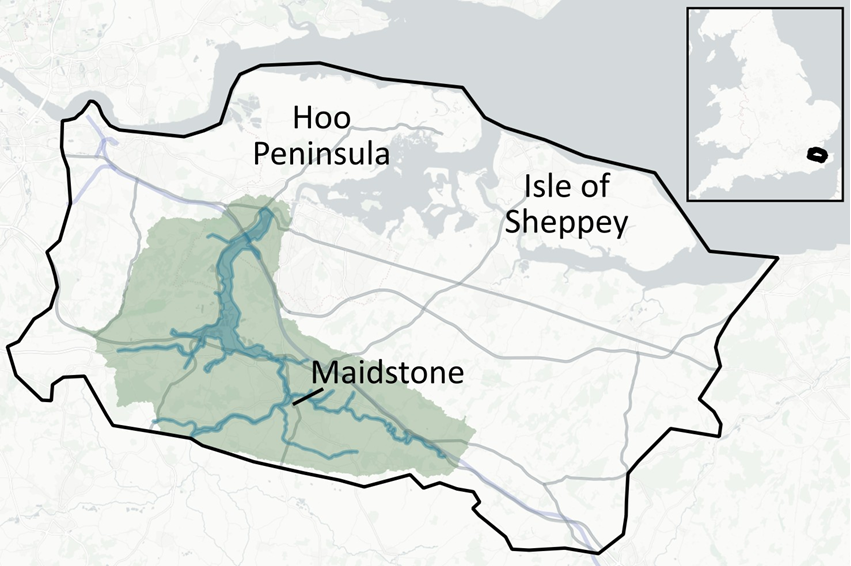
SCALE: 100 km watercourse and 30,177 ha water basin
LOCATION: Middle & Lower Medway Catchment and tributaries (River Len, Leybourne, Ditton and Loose Streams)
CORRIDOR ROLE: Provides water quality improvements for the River Medway and large-scale water storage and attenuation, translating upstream infiltration into flood-risk reduction for urban areas downstream.
CORE INTERVENTIONS
Wetland restoration and creation
Floodplain reconnection
Wet grassland management
Riparian and wet woodland planting and restoration
Riparian buffers
Reduced chemical applications
Run-off attenuation
Fish-barrier removal
ECOSYSTEMS SERVICES & BENEFITS
Natural flood management and flood-water storage
Nutrient interception and water quality improvement
Wetland ecosystem resilience
Carbon sequestration
Recovery of threatened habitats and species
INVESTMENT OUTCOMES
Risk management: increased resilience to flooding
Generates BNG units
Carbon removal
Water quality enhancement and supply resilience:
Water infrastructure savings
Voluntary water stewardship credits
Environmental improvement for public benefit
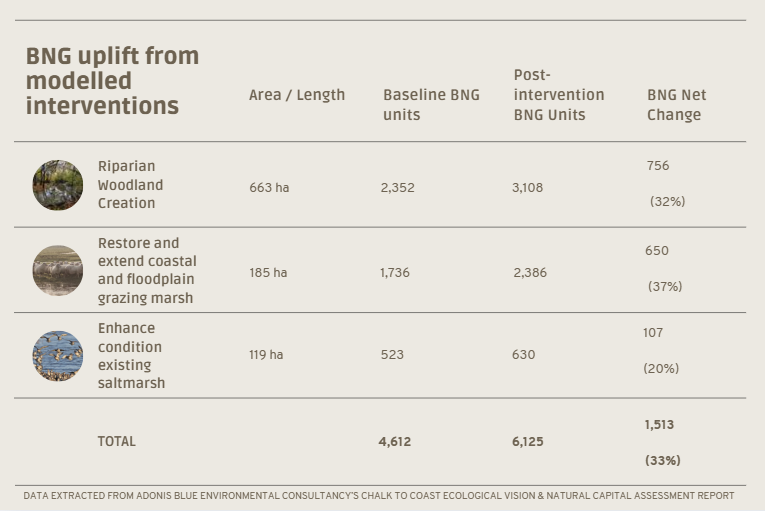
NATURAL CAPITAL ESTIMATES
SPECIES & HABITAT HIGHLIGHTS
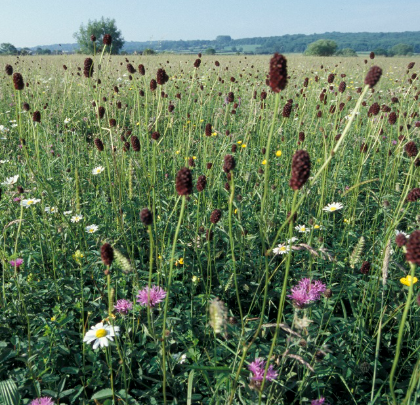
FLOODPLAIN MEADOWS & WETLANDS:
Floodplain meadows and wet grassland are among the corridor's richest and rarest habitats, storing flood water, locking up carbon and supporting species found almost nowhere else - yet most of Kent's water bodies fall short of good ecological status under the Water Framework Directive.
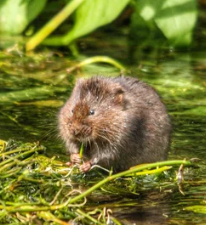
WATER VOLE
The water vole is Britain's fastest-declining mammal, dependent on healthy, vegetated riverbanks of exactly the kind this project restores.
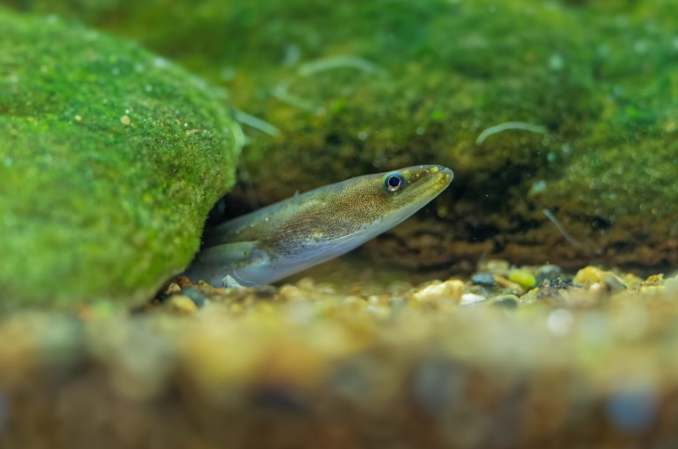
EUROPEAN EEL
The European eel is critically endangered, its numbers down by over 90% in a generation; each one migrates thousands of miles from the Sargasso Sea to rivers like the Medway, a journey removing fish barriers helps reopen.