Heatwaves, Drought and the Future of Farming in North Kent
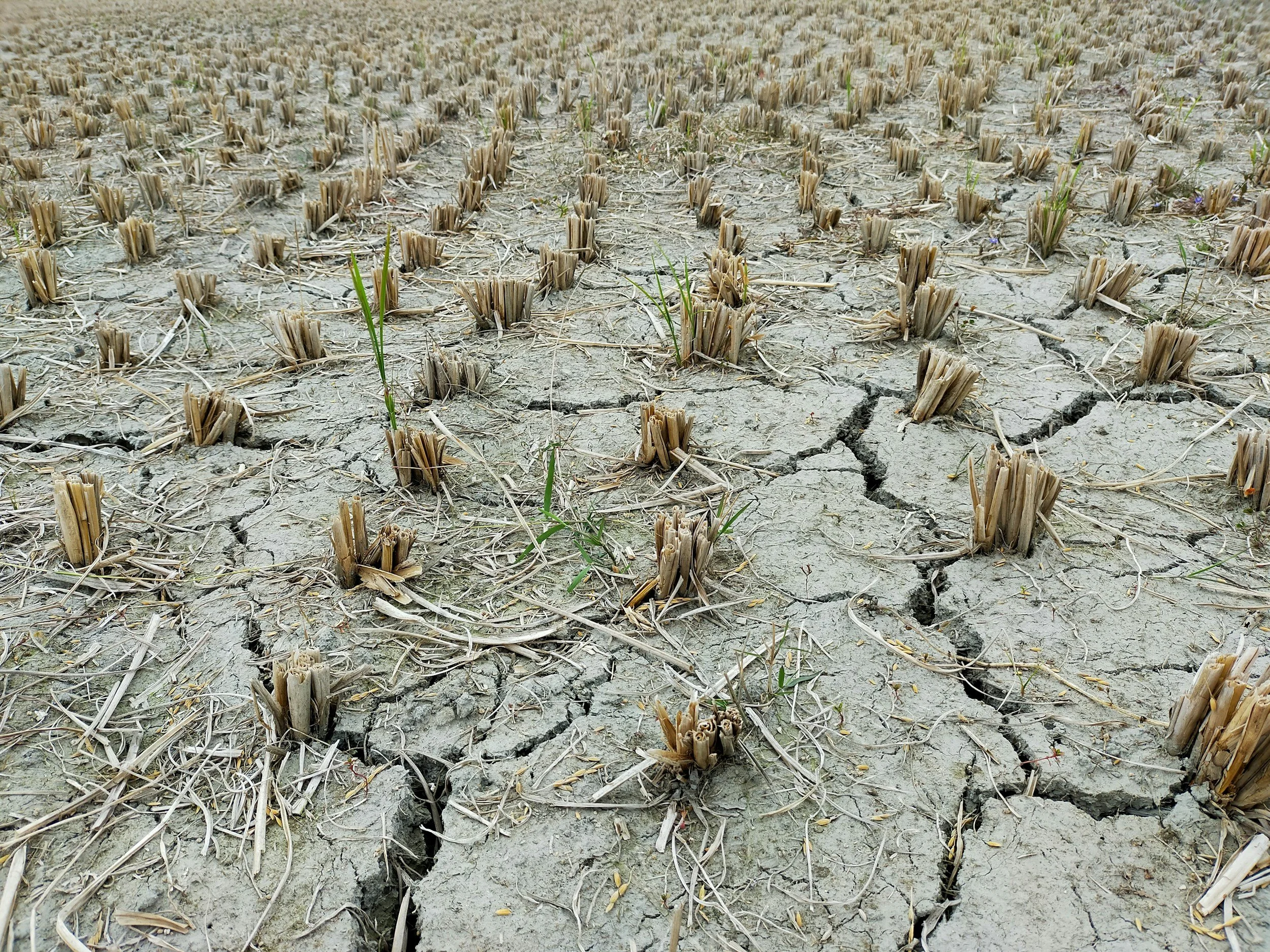
This summer's prolonged heatwaves and exceptionally dry conditions have provided a clear reminder of how vulnerable our landscapes can be to extremes of weather.
Across south-east England, July was the driest on record, with the region receiving almost no meaningful rainfall for weeks. By late summer, the Environment Agency had recorded the driest July in the South East since records began, while river flows, soil moisture and groundwater levels all continued to decline. In Kent, some catchments experienced one of their driest six-month periods since records began in the 1870s.
For farmers, the impacts have been immediate. Grass growth slowed dramatically during the hottest periods, reducing grazing opportunities and forcing some livestock farmers to dip into winter forage stocks earlier than planned. Nationally, concerns have also been raised about reduced crop yields, poor grass growth and increasing pressure on irrigation supplies.
North Kent faces some unique challenges. Much of our landscape sits above chalk aquifers, vast underground stores of water that supply rivers, streams, farms and homes across the region. These aquifers are one of our greatest natural assets, but they depend on winter rainfall to recharge. When hot, dry conditions persist through spring and summer, groundwater levels fall and pressure on water resources increases. Across south-east England, groundwater levels have generally remained resilient, highlighting the importance of these underground reserves for communities and wildlife alike.
While recent rainfall has brought some relief, drought is not over as soon as the rain arrives. After months of dry weather, much of the rain is absorbed by parched soils before it can replenish groundwater reserves, reservoirs and rivers. Despite rainfall in late summer, reservoir levels and groundwater stores remain under pressure in many areas, and experts warn that hotter, drier summers are likely to become more common across the South East.
The challenge facing farming is not simply how to survive the next dry summer, but how to adapt to a future where extreme weather becomes more common. For North Kent, this will mean greater collaboration between farmers, enabling land managers to share knowledge, coordinate water management across whole catchments, and explore opportunities for shared infrastructure and equipment. It will also require greater investment in on-farm water storage, rainwater harvesting and systems that capture and hold winter rainfall for use during increasingly dry summers.
Water companies and public bodies will also have a role to play. In a region already under significant water stress, investment in reservoirs, aquifer recharge schemes and measures to reduce leakage will become increasingly important if we are to secure water supplies for both people and the environment.
Alongside these larger infrastructure solutions, nature recovery remains part of the answer. Restoring chalk grassland, creating wetlands, improving soil health and reconnecting fragmented habitats can help landscapes retain water for longer and recover more quickly from drought. The reality is that no single intervention will solve the problem. Building resilience will require farmers, water companies, local authorities and conservation organisations to work together, ensuring that North Kent's landscapes remain productive, wildlife-rich and better prepared for the summers of the future.